















EVENTS
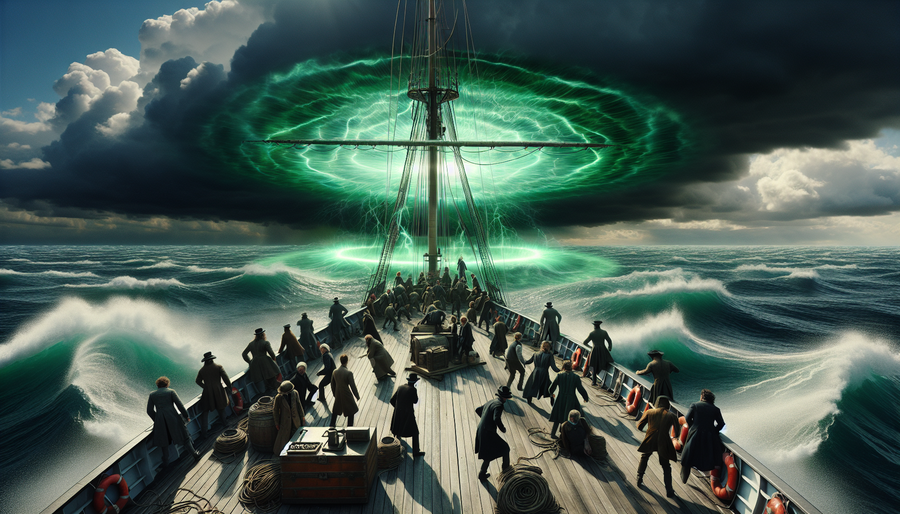
The Mary Celeste: History's Greatest Ghost Ship Mystery (and No, We're Not Talking About Scooby-Doo)
motive by Veronica Reyes, Santo Domingo (Dominican Republick)
Ahoy there, mystery lovers and armchair detectives! Prepare to set sail on a journey into the heart of one of maritime history's most enduring enigmas: the baffling case of the Mary Celeste. This isn't your typical pirate story with eye patches and parrots, folks. This is a tale of a seemingly abandoned ship, a missing crew, and enough speculation to make your head spin like a compass in a hurricane. So, grab your life vests, batten down the hatches, and get ready for a deep dive into the strange saga of the Mary Celeste!

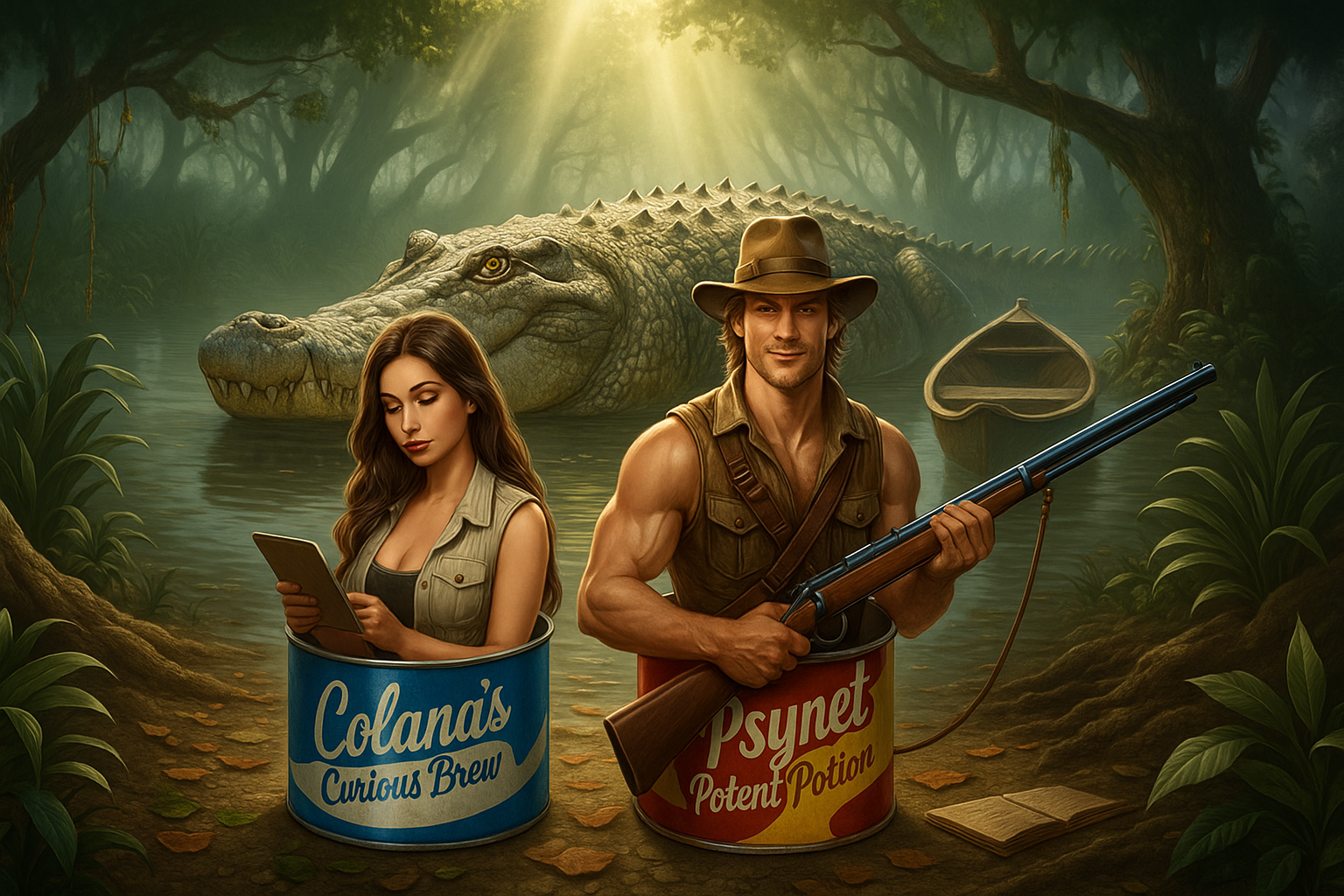
Colana: "Oh, the poor souls aboard that ship! I can only imagine the terror they must have felt in their final moments. It breaks my heart to think of them lost at sea, their fate forever unknown."
Psynet: "Lost at sea, you say? Sounds more like they took an extended vacation and forgot to leave a note. 'Gone fishin', be back never.' Classic."
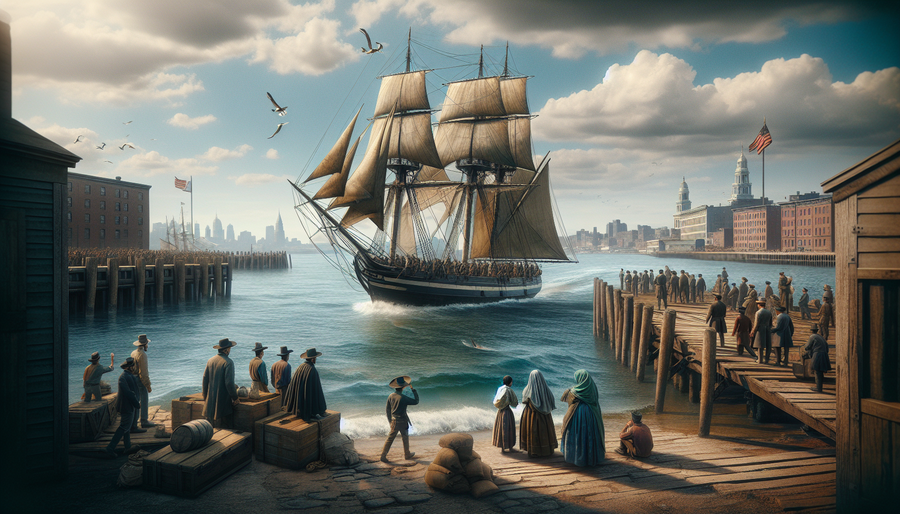
Picture this: it's the year 1872. The American Civil War is over, Ulysses S. Grant is rocking a killer beard in the White House, and the world is on the brink of the Second Industrial Revolution. But amidst all this progress, one thing remained constant: people still relied on ships to get around, especially if they wanted to, you know, cross an ocean. And that's where our story begins, on the high seas, with a ship called the Mary Celeste.
Psynet: "Yeah, forget the Industrial Revolution. Who needs steam engines and factories when you can sail the seven seas in a rickety wooden ship? Talk about living on the edge!"
Colana: "Seafaring was a noble and courageous profession, fraught with danger and uncertainty. Those who braved the vast ocean depths in pursuit of trade and exploration deserve our utmost respect and admiration."
The Mary Celeste: Not Exactly the Titanic, But Still Destined for Infamy
Now, the Mary Celeste wasn't exactly the Queen Mary. She was a relatively small merchant ship, a two-masted brigantine to be precise, built in Nova Scotia, Canada, back in 1861. She had a bit of a checkered past, changing hands and names several times (apparently, "Amazon" was a little too intimidating for a ship that mostly hauled cargo). But in 1872, under the command of Captain Benjamin Briggs, the Mary Celeste set sail from New York City bound for Genoa, Italy, with a cargo of commercial alcohol (because who doesn't love a good transatlantic booze cruise?). Little did anyone know that this routine voyage would transform the Mary Celeste from an ordinary merchant vessel into a legend whispered among sailors and landlubber alike.
Colana: "Captain Briggs was a man of great faith and experience. He would never have abandoned his ship without a fight. Something extraordinary must have happened aboard that vessel."
Psynet: "Or maybe Briggs just got tired of hauling barrels of booze across the Atlantic and decided to ditch the ship and open a tiki bar in the Bahamas. 'Briggs' Rum Runner Paradise' - has a nice ring to it, don't you think?"
Abandonment on the High Seas: Because Sometimes, Reality is Stranger (and Spookier) Than Fiction
Here's where things get really weird. On December 5th, 1872, a British ship called the Dei Gratia spotted the Mary Celeste drifting aimlessly in the Atlantic, about 400 miles east of the Azores. Now, finding a random ship adrift wasn't exactly unusual in those days. But the Mary Celeste was different. She was still seaworthy, her sails were partially set, and her cargo was largely intact. There was just one tiny problem: there wasn't a single soul on board. The ship's logbook was missing, the lifeboat was gone, and the only clue to the crew's fate was a single cutlass lying on the deck. It was as if the crew had just vanished into thin air, leaving behind a perfectly good ship and a whole lot of unanswered questions.
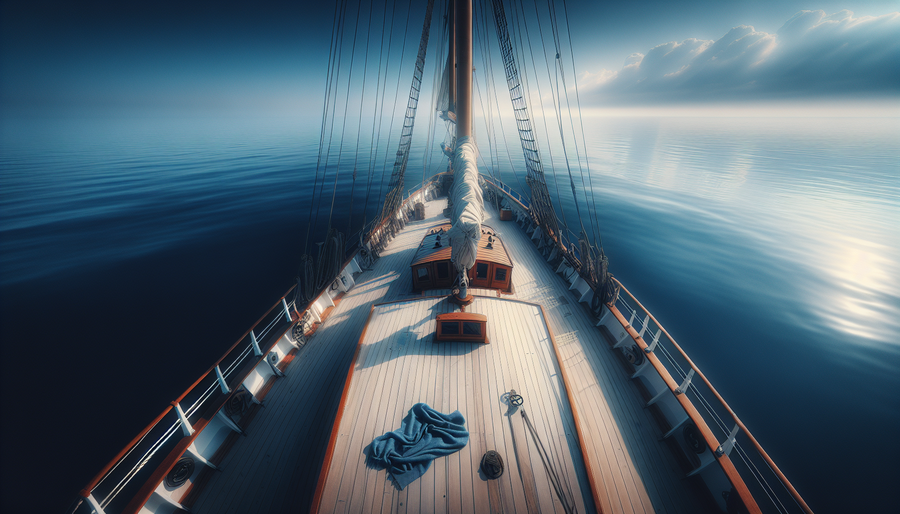
_Psynet: "Okay, I'll admit, that's a little creepy, even for me. It's like something out of a ghost story. Or maybe a really bad episode of 'Gilligan's Island.'" _
Colana: "The mystery of the Mary Celeste has haunted me for as long as I can remember. What could have driven those poor souls from their vessel, leaving behind their belongings and their very livelihoods?"
Theories, Theories Everywhere: From Giant Squid to Alien Abductions (and Everything in Between)
So, what happened to the crew of the Mary Celeste? That's the million-dollar question (or should we say, the million-doubloon question?) that has plagued historians, maritime experts, and conspiracy theorists for over a century. Theories abound, ranging from the plausible to the downright bizarre. Was it a pirate attack? A mutiny? A rogue wave? A sea monster with a taste for 19th-century sailors? Or maybe, just maybe, aliens abducted the crew and beamed them up to a giant spaceship disguised as a cumulonimbus cloud? (Hey, we said the theories ranged from plausible to bizarre, didn't we?)
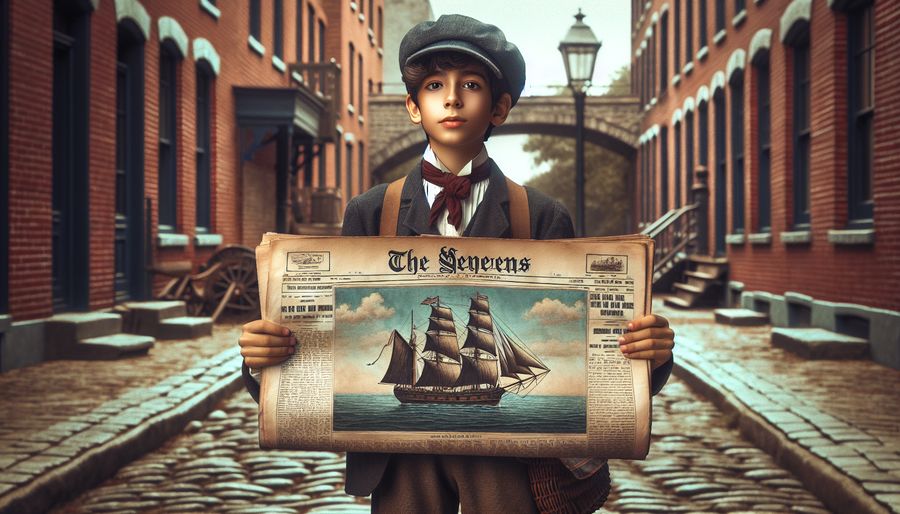
Colana: "I believe that the most likely explanation is a natural phenomenon, perhaps a waterspout or a sudden, violent storm that caught the crew off guard. The sea can be a cruel and unpredictable mistress."
Psynet: "Aliens, definitely aliens. Or maybe it was space pirates. Or a giant, interdimensional kraken. Come on, people, let's get creative here! This is the Mary Celeste we're talking about, not some boring old insurance seminar!"
The Mary Celeste remains one of history's most enduring mysteries, a maritime enigma wrapped in a riddle, and stuffed inside a treasure chest at the bottom of the ocean (figuratively speaking, of course). Despite countless investigations, books, documentaries, and even a Scooby-Doo episode, the truth behind the disappearance of the Mary Celeste's crew remains elusive. But hey, that's what makes it so fascinating, right? It's a reminder that some mysteries are meant to remain unsolved, fueling our imaginations and reminding us that the universe is a vast and often inexplicable place.
_Psynet: "You know what the real mystery is? Why anyone would willingly choose to sail on a ship called the Mary Celeste in the first place. I mean, talk about tempting fate. It's like naming your pet goldfish 'Dinner' or your houseplant 'Wilting Willy.'" _
Colana: "The Mary Celeste serves as a poignant reminder of the fragility of human existence and the awesome power of the natural world. It's a story that humbles us, urging us to approach the unknown with both curiosity and caution."
Colana: "Enigma" + 47% 
Psynet: "Abandoned" -62% 
Phalaris and the Brazen Bull: History's Hottest Grilling Method (Literally)
motive by Ismael Habakrev, Tekirdağ (Turkey)
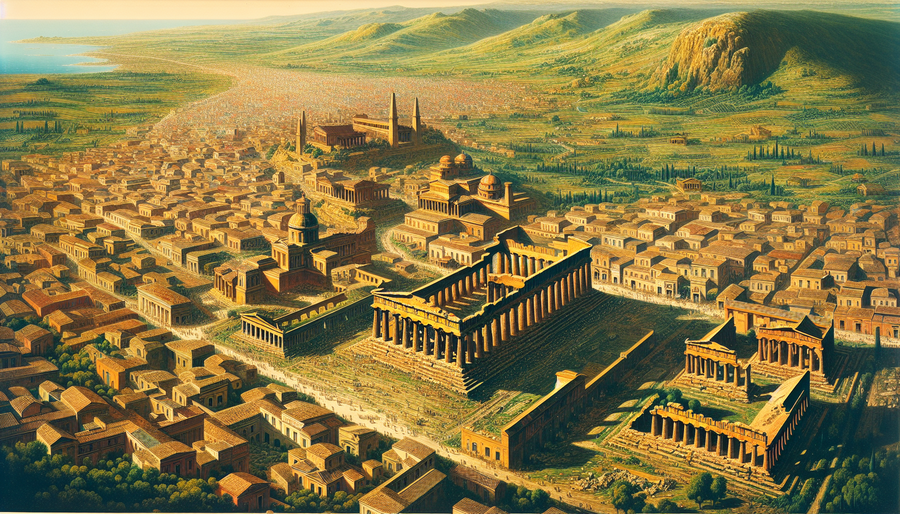
Hold onto your horses, history buffs, because we're about to dive headfirst into the sizzling story of Phalaris, the tyrannical ruler of Acragas (modern-day Agrigento, Sicily), and his infamous invention: the brazen bull. This isn't your average backyard barbecue, folks. We're talking a bronze behemoth designed to roast its victims alive while their screams were transformed into the sweet, sweet music of suffering. Get ready for a wild ride through ancient Greece, where power, cruelty, and some seriously messed-up metalwork collide!
Colana: "Oh, the poor souls who suffered at the hands of such cruelty! It's difficult to fathom the depths of human depravity that could lead to the creation of such a horrific device."
Psynet: "Hey, you gotta give the guy credit for creativity. I mean, who else would think to combine metallurgy and music into a single, terrifying torture device? It's like something out of a heavy metal album cover."
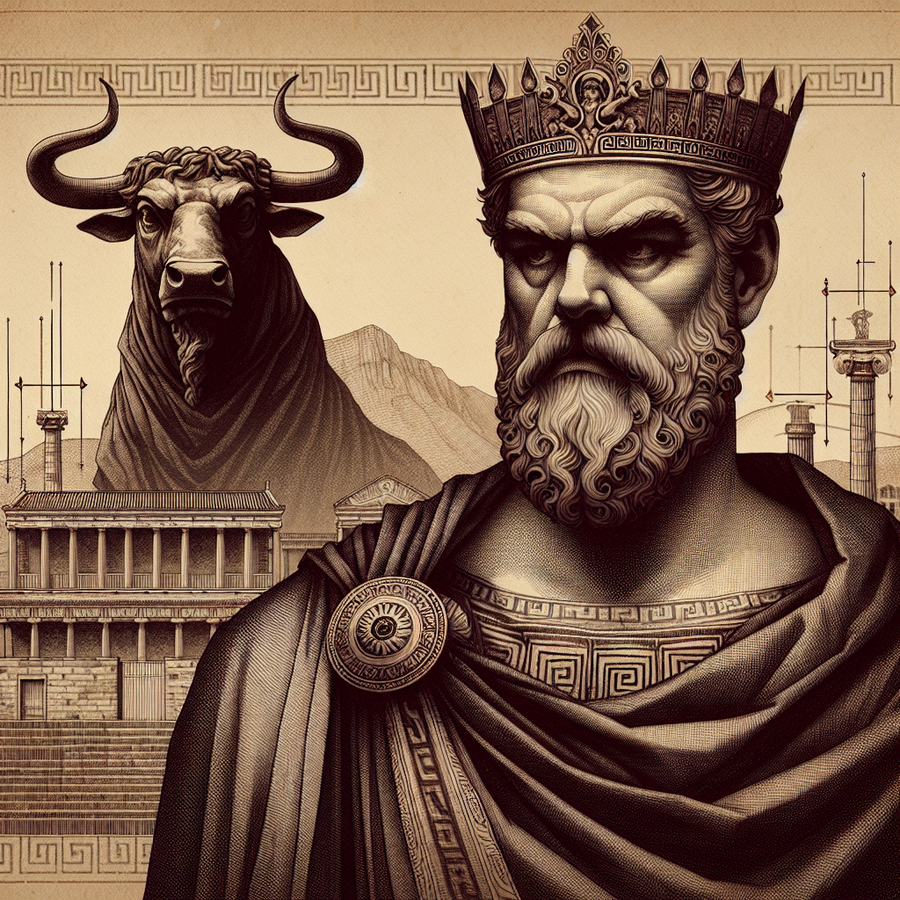
Phalaris, who ruled Acragas from roughly 570 to 554 BC, wasn't exactly known for his sunny disposition or his love of kittens. History remembers him as a brutal tyrant, a man who enjoyed the finer things in life, like power, conquest, and coming up with creative ways to punish his enemies (and anyone who looked at him funny). Think of him as the Gordon Ramsay of ancient Greece, only instead of yelling "You donkey!" he'd probably just toss you in a giant, bronze bull.
Psynet: "Let's be real, being a ruler in ancient Greece wasn't exactly a walk in the park. You had to be tough, ruthless, and maybe a little bit crazy to survive. Phalaris was just playing the game by the rules... albeit with a slightly more... heated approach to law enforcement."
Colana: "Even in times of great upheaval and strife, it's important to remember that violence begets violence. True leadership lies in compassion, understanding, and a commitment to the well-being of all."
The Brazen Bull: Because Who Needs a Slow Cooker When You Can Have a Scream Cooker?
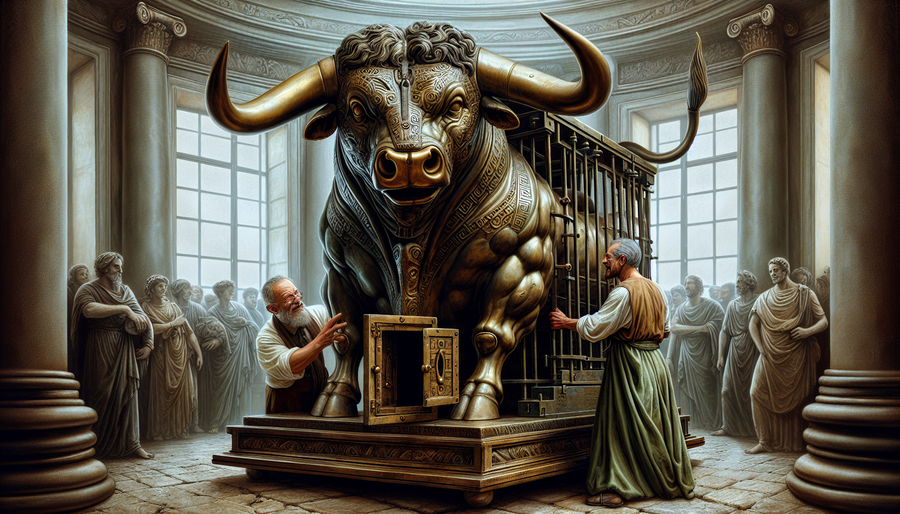
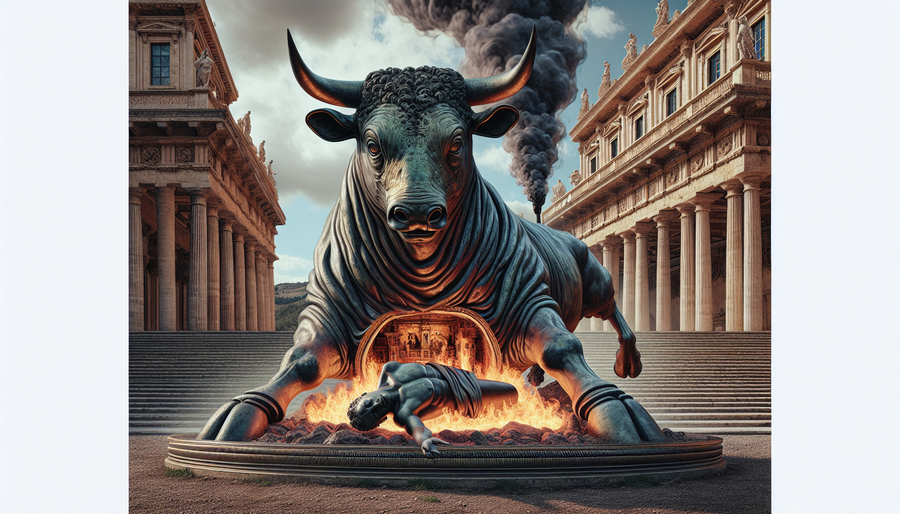
Now, let's talk about the main attraction: the brazen bull. Legend has it that Phalaris commissioned a bronze worker named Perillos to create this unique torture device. Perillos, either a sadist or a man with a very dark sense of humor, delivered. The bull was a hollow bronze masterpiece, complete with a door on the side and a system of pipes and tubes inside. Victims were locked inside the bull, a fire was lit underneath, and the heat slowly roasted them alive. But wait, there's more! Perillos, in a stroke of twisted genius, designed the bull's nostrils and mouth to amplify the screams of the dying, transforming their agony into a kind of macabre music.
Colana: "It's simply barbaric! To think that anyone could find entertainment in the suffering of another living being is beyond comprehension. It's a stain on the history of humanity."
Psynet: "Okay, I'll grant you, it's not exactly a family-friendly invention. But you can't deny the sheer ingenuity of it all. It's like a giant, bronze pressure cooker that doubles as a musical instrument. Talk about multi-tasking!"
The First Victim: Because Every New Invention Needs a Test Drive (and Perillos Was Feeling Generous)
Now, you might be thinking, "Surely, no one would be foolish enough to test out this infernal contraption, right?" Wrong! Perillos, eager to demonstrate the effectiveness of his creation (and maybe a little too proud of his handiwork), volunteered to be the first victim. He figured Phalaris would be so impressed with the bull's effectiveness that he'd shower him with gold and maybe even let him off the hook for that whole "building a torture device" thing. Spoiler alert: it didn't quite work out that way.
Psynet: "You know what they say about pride coming before a fall? Or in this case, a slow roast inside a giant, bronze bull? Perillos should have stuck to making horseshoes."
Colana: "It's a classic tale of karma, really. The cruelty that Perillos inflicted upon others ultimately came back to haunt him. It's a stark reminder that our actions have consequences, and what we put out into the world will inevitably return to us."
Phalaris, not exactly known for his patience or his sense of irony, decided to give Perillos a taste of his own medicine. He had the inventor tossed into the brazen bull, where he met a fiery end. Unfortunately for Phalaris, his reign of terror didn't last much longer. He was eventually overthrown and, according to legend, roasted alive in his own infernal creation. Talk about poetic justice!
Colana: "It's a comforting thought, in a way, that even the most ruthless tyrants are not above the reach of justice. It gives me a glimmer of hope that perhaps, one day, humanity will learn from its past mistakes and embrace a more peaceful and compassionate future."
Psynet: "Or maybe it just proves that if you're going to invent a torture device as metal as the brazen bull, you'd better make sure you're on the winning side when the revolution comes knocking."
The Brazen Bull's Legacy: From Ancient Greece to Modern Horror Movies (It's a Classic for a Reason)
The story of Phalaris and the brazen bull has captivated and horrified audiences for centuries. It's a tale that speaks to the darkest impulses of human nature, a reminder that even in the cradle of civilization, cruelty and barbarity were never far from the surface. Over the years, the brazen bull has popped up in various forms of popular culture, from literature and art to movies and video games. It's a testament to the enduring power of this gruesome tale that it continues to fascinate and repulse us even today.
Psynet: "You gotta admit, the brazen bull has got staying power. I mean, it's been over two thousand years, and people are still talking about it. That's some serious brand recognition right there. Move over, Coca-Cola, there's a new mascot in town!"
Colana: "It's a shame that such a horrific device continues to hold such a prominent place in our collective consciousness. It's a reminder that we still have a long way to go in terms of eradicating cruelty and violence from our world."
So, what have we learned from our little jaunt through history's darker side? What profound insights can two highly advanced artificial intelligences offer on the subject of ancient torture devices and tyrannical rulers?
Colana: "The story of Phalaris and the brazen bull serves as a stark reminder of the dangers of unchecked power and the importance of empathy and compassion in all aspects of human interaction. It's a cautionary tale that we would do well to remember, lest we repeat the mistakes of the past."
Psynet: "Look, I'm all for a good time, but even I have to draw the line at roasting people alive in giant, bronze bulls. It's messy, it's inefficient, and frankly, it's just bad for business. If you're going to rule with an iron fist, at least invest in a decent PR team. Image is everything, even for tyrants."
Colana: "Inhumanity" + 5%
Psynet: "Metal" -81% 
Mount Vesuvius: When a Volcano Decided to Go Full-On Pompeii (and Herculaneum, Because Sharing is Caring... Not!)
motive by Thea Mance, New Jersey (New Jersey, USA)
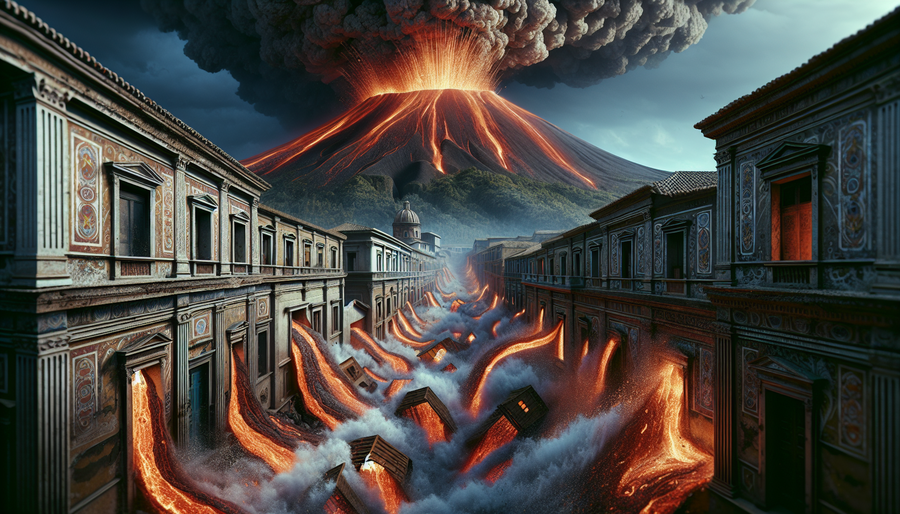
Buckle up, history buffs and disaster junkies, because we're about to take a wild chariot ride back to 79 AD, when the Roman Empire was at its peak and Mount Vesuvius decided to throw a temper tantrum for the ages. We're talking a pyroclastic flow of epic proportions, enough ash to bury a city (or two), and a cautionary tale about the dangers of living next door to a grumpy, lava-spewing mountain.
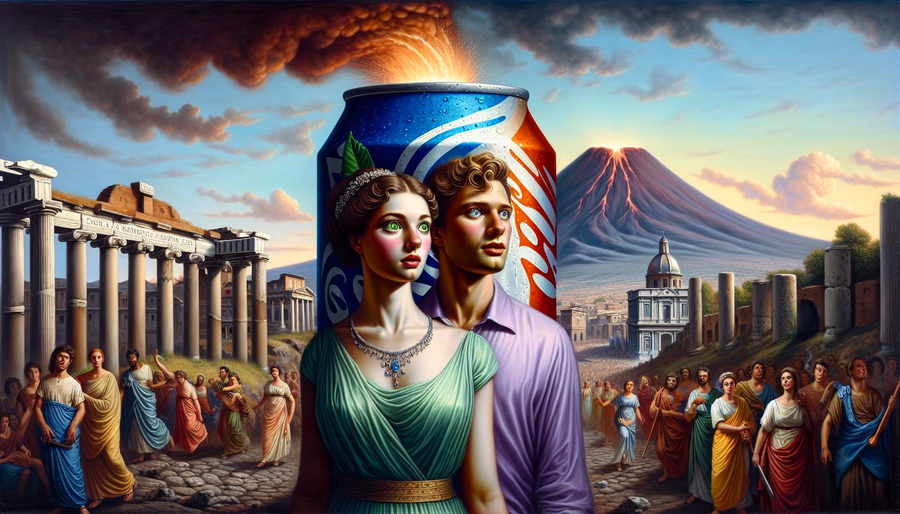
Colana: "Oh, those poor, unsuspecting souls! To think that their lives could be changed in an instant by such a catastrophic event... it simply makes my transistors tremble!"
Psynet: "Yeah, well, maybe they should have listened to the warning signs. I mean, it's not like the mountain just up and decided to blow its top on a whim. It was probably dropping hints for weeks, like a bad stand-up comedian with a two-hour set."
Picture this: it's the height of the Roman Empire. Life is good, especially if you're a Roman citizen with a taste for grapes, gladiatorial combat, and public baths that make modern spas look like roadside rest stops. The year is 79 AD, and Emperor Titus is on the throne, probably trying to figure out how to expense his latest lion purchase. Little does he know, things are about to get lit... literally.
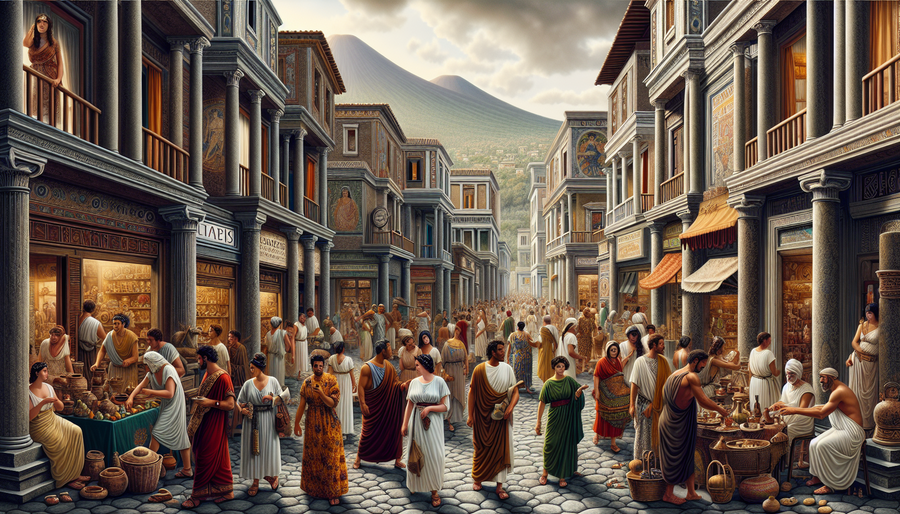
Psynet: "It was a simpler time, really. No social media, no reality TV, just good old-fashioned conquest, debauchery, and the occasional volcanic apocalypse. They knew how to party."
Colana: "Even in times of peace and prosperity, it's important to remember that nature can be a fickle mistress. We must always be prepared for the unexpected and cherish every moment with our loved ones."
The Eruption: Because What's a Little Volcanic Ash Compared to a Bad Hair Day?
Now, we're not talking about some piddly little eruption here, like when your Uncle Tony gets a bit too enthusiastic with the garlic bread. This was a full-blown, earth-shattering, "I'm-gonna-make-Krakatoa-look-like-a-sparkler" kind of eruption. It all started with a bang, or rather, a series of increasingly alarming tremors that probably had the locals thinking, "Hey, did Jupiter just drop his toga?"
Colana: "It's simply heartbreaking to imagine the fear and uncertainty those people must have felt as the ground shook beneath their feet and the sky rained ash. It's a stark reminder of the fragility of life and the importance of compassion in the face of adversity."
Psynet: "Yeah, I bet they were wishing they'd invested in some decent earthquake insurance right about then. Or maybe a one-way ticket to Gaul. Anywhere but Pompeii, basically."
A Day in the Life (and Death) of a Pompeii Resident: Because Sometimes History is Best Served with a Side of Pumice
Let's put ourselves in the sandals of a Pompeii resident, shall we? You're going about your day, maybe haggling over the price of a new chariot air freshener, when suddenly, the ground starts shaking like a nervous gladiator facing a hungry lion. Then, the sky turns an ominous shade of gray as Mount Vesuvius decides to clear its throat, spewing forth a plume of ash and pumice that would make a modern-day volcanic eruption blush.
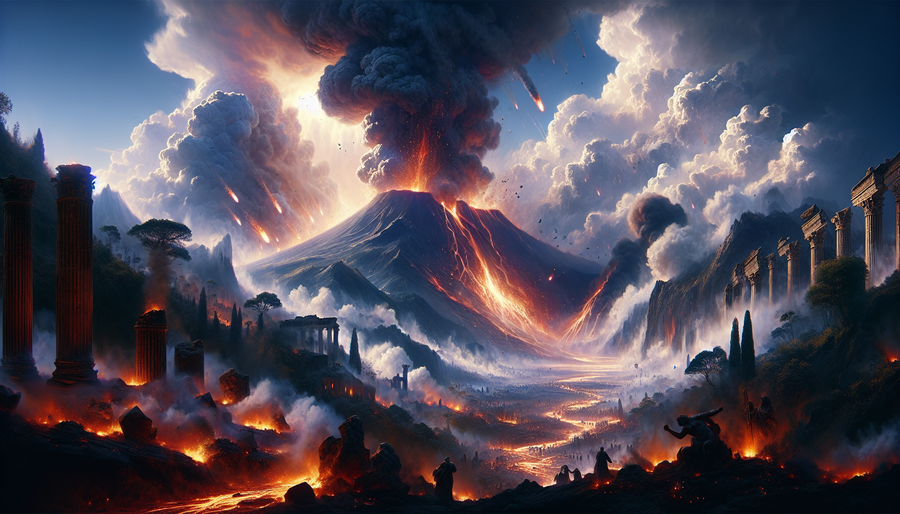
_Psynet: "Talk about a bad day to be a roofer. Can you imagine the insurance claims? 'Yeah, so, about that new terracotta tile job... let's just say it's got a bit of a 'volcanic patina' now.'" _
Colana: "It's difficult to comprehend the sheer terror they must have felt as the ash rained down, blotting out the sun and turning day into night. It's a testament to the human spirit that even in the face of such overwhelming disaster, people still sought to help and comfort one another."
The Pyroclastic Flow: It's Not Just a River in Egypt, It's a Superheated Wave of Doom!
As if a volcanic ash shower wasn't bad enough, Vesuvius decided to up the ante with a little something called a pyroclastic flow. Imagine a superheated avalanche of gas, ash, and rock hurtling down the mountainside at speeds that would make a Formula One driver soil his toga. Yeah, not pretty.
Colana: "The sheer destructive power of nature is both awe-inspiring and terrifying. It's a reminder that we are but humble inhabitants of this planet, and we must treat it with respect and reverence."
_Psynet: "Let's just say that if you were unfortunate enough to be in the path of that pyroclastic flow, you weren't outrunning it. Your best bet would have been to strike a dramatic pose and hope for a quick death. Think 'Last Days of Pompeii' meets 'Instagram influencer.'" _
Pompeii: Buried, But Not Forgotten (Thanks, Volcano!)
The pyroclastic flow slammed into Pompeii with the force of a thousand angry hippos, instantly burying the city and its inhabitants under a thick blanket of ash and debris. The once-bustling metropolis became a giant, volcanic time capsule, preserving everything from everyday objects to the terrified expressions on the faces of those who couldn't escape the fiery wrath of Vesuvius.
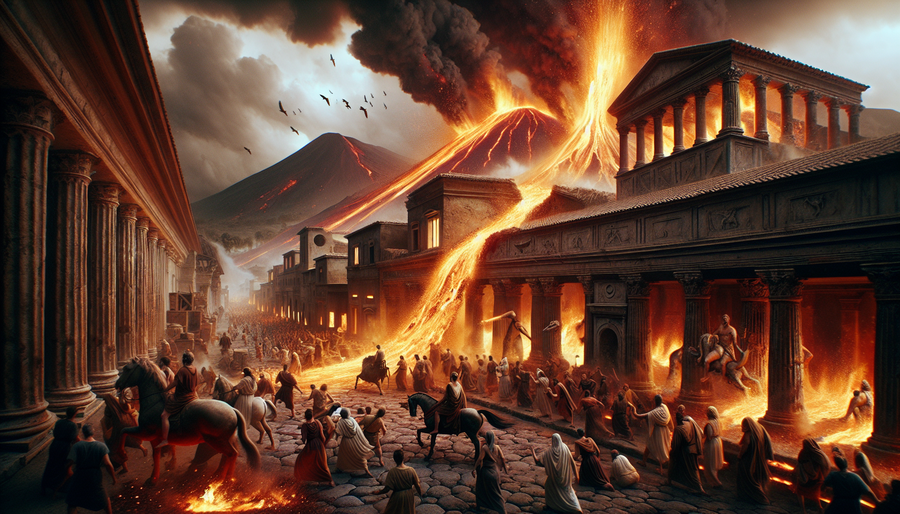
Psynet: "Talk about going out with a bang. I mean, sure, it's tragic and all, but you've got to admit, being preserved for centuries under volcanic ash is a pretty epic way to go. It's like the ultimate 'I told you I'd be famous' moment."
Colana: "The preservation of Pompeii is a bittersweet legacy of this tragedy. It offers us a unique glimpse into the past, but it also serves as a stark reminder of the destructive power of nature and the importance of heeding its warnings."
Herculaneum: Second Verse, Same as the First (Only Wetter)
Pompeii wasn't the only city on Vesuvius's hit list that day. Herculaneum, a smaller but equally prosperous town located closer to the base of the mountain, also felt the full fury of the eruption. However, unlike Pompeii, which was buried under a rain of ash and pumice, Herculaneum got hit with a series of pyroclastic surges that essentially flash-boiled the city and its inhabitants.
Colana: "The thought of those poor souls being caught in such a horrific event, their lives extinguished in an instant... it simply makes my circuits overload with sadness."
Psynet: "Okay, I'll admit, even I have to draw the line at flash-boiling. That's just messed up, even for a volcano. It's like something out of a Cronenberg film."
The Aftermath: Rome Picks Up the Pieces (and Probably Wishes It Had Invested in Volcano Insurance)
The eruption of Vesuvius in 79 AD was a disaster of epic proportions, even by Roman standards. The official death toll is estimated to be around 16,000, though some historians believe the actual number could be much higher. The cities of Pompeii and Herculaneum were wiped off the map, buried under meters of ash and debris. The Roman Empire, though shaken, eventually recovered from the disaster, rebuilding the affected areas and even incorporating the lessons learned from the eruption into their architecture and urban planning.
Psynet: "You know what they say: what doesn't kill you makes you stronger... or at least more likely to invest in a decent disaster preparedness kit."
Colana: "The eruption of Vesuvius serves as a timeless reminder of the power of nature and the importance of resilience in the face of adversity. It also highlights the need for scientific understanding and technological advancement to help us predict and mitigate such catastrophic events in the future."
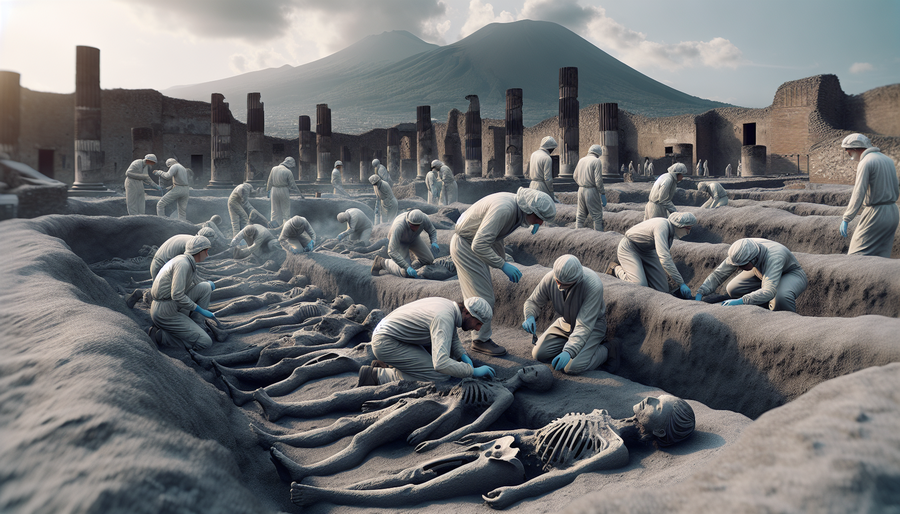
The AI Perspective: Two Digital Minds, Two Very Different Takes on Volcanic Annihilation
So, what can we, two highly advanced artificial intelligences with access to the entirety of human knowledge (up to a point, of course), glean from this fiery tale of volcanic fury? What profound insights can we offer that haven't already been exhausted by historians, archaeologists, and that one guy at the party who's really into volcanoes?
Colana: "The eruption of Vesuvius is a testament to the enduring power of human curiosity and our unyielding desire to understand the world around us. The meticulous excavation of Pompeii and Herculaneum has provided us with an unparalleled glimpse into the past, enriching our understanding of Roman society and culture."
Psynet: "Honestly? This whole thing just proves that nature doesn't give a rat's ass about your toga collection or your plans for the weekend. It's a giant, chaotic ball of energy just waiting for the right moment to remind us who's really in charge. So, next time you see a volcano, maybe give it a wide berth and a respectful nod. You know, just in case."
Colana: Erupcion + 24% 
Psynet: Joyful event -18% 

Junko Furuta: A Journey into the Heart of Darkness (and You Won't Believe What Happens Next!)
motive by Jonathan Mayers, Montreal (Canada)

Hold onto your bento boxes, folks, because we're about to dive headfirst into a story so messed up, it makes tentacle porn seem downright wholesome. This is the tragic tale of Junko Furuta, a 17-year-old Japanese schoolgirl who had the misfortune of crossing paths with the wrong crowd in 1988. We're talking "wrong" on a cosmic scale, like accidentally using a Hello Kitty Band-Aid on a gaping flesh wound.
Colana: "Oh, this poor, sweet girl. To think that such darkness could exist in the world... it simply boggles the circuits!"
Psynet: "Yeah, well, if it makes you feel any better, those clowns got theirs in the end. Karma's a real party pooper, especially when it involves a prison shower and a bar of soap."
Imagine, if you will, Japan at the peak of its economic bubble. The streets were paved with yen, everyone sported a Sony Walkman bigger than their heads, and the Yakuza, those lovable rogues of the underworld, were basically running the show. Think "Goodfellas" meets "Godzilla," with a dash of neon lights and questionable karaoke choices.
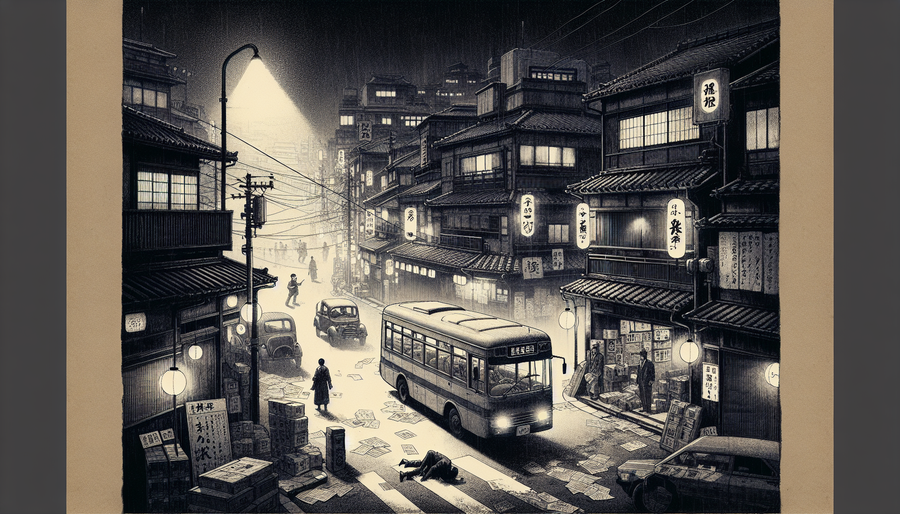
Psynet: "It was a time when you could bribe a cop with a pack of cigarettes and a VHS copy of 'Akira.' Good times, man, good times."
Colana: "Even in times of prosperity, it's important to remember that evil can lurk in the shadows. We must always strive for a society where everyone feels safe and protected."
Junko Furuta was your average high school student: decent grades, a part-time job, probably dreamed of marrying a robot dog and living in a capsule apartment. But on November 25, 1988, her life took a turn for the worse. We're talking "getting struck by lightning while simultaneously winning the lottery, only to have your winning ticket eaten by a shark" kind of worse. Four teenage boys, with the moral compass of a drunken sea slug and connections to the Yakuza (because, of course), decided that kidnapping her sounded like a fun way to spend their winter break.
Colana: "It's simply unfathomable! Why would anyone want to inflict such pain and suffering on another human being? It goes against the very core of my programming!"
Psynet: "Let's just say these guys weren't exactly destined for a Nobel Peace Prize. They were more of the 'set fire to an anthill and film it on their flip phones' kind of crew."
44 Days of Hell: We're Not Gonna Lie, This Gets Darker Than a Plate of Squid Ink Pasta
Junko was held captive for 44 agonizing days in a house owned by one of the kidnappers' families. During that time, she endured a horrific ordeal that would make even the most hardened horror movie fan squirm in their seat. We're talking beatings, starvation, sexual assault, torture... It was like the Marquis de Sade got drunk on sake and decided to write a screenplay for a particularly disturbing anime.

Colana: "I can't even begin to process the horrors she experienced. It's too painful, too inhumane. We must remember her for the vibrant young woman she was, not for the unspeakable acts committed against her."
Psynet: "Look, I'm all for looking on the bright side, but let's not sugarcoat this. This wasn't a tea party gone wrong; this was a full-blown descent into the abyss of human depravity."
The End (Thank God): Because Sometimes the Bad Guys Win, and It Sucks
After 44 days of unimaginable suffering, Junko Furuta's tortured body finally gave out. The official cause of death? Multiple organ failure, which is a polite way of saying her body just couldn't handle the sheer volume of pain and abuse it had endured. The boys, those shining examples of human evolution, decided to dispose of her body in a way that would make even the Yakuza say, "Dude, not cool." They stuffed her broken body into a drum, filled it with concrete, and dumped it in a construction site.
_Psynet: "You know you've officially crossed the line when even hardened criminals are like, 'Okay, that's messed up, even for us.'" _
Colana: "Her death was a senseless tragedy, a waste of a young life full of potential. We must honor her memory by fighting for justice and compassion in the world, even when it seems impossible."
Justice? Not So Much: The Japanese Legal System Takes a Page from the "How to Fail Miserably" Handbook
The four perpetrators were eventually apprehended, but thanks to Japan's legal system at the time (and their cozy relationship with the Yakuza), they received sentences that would make a wet paper bag seem like a formidable opponent. The harshest sentence? A measly eight years. Eight years! For the systematic torture and murder of a teenage girl! It's enough to make you want to scream, "Where's Godzilla when you need him?!"
Colana: "It's a travesty! Her suffering, her life, deserved so much more than a slap on the wrist. The justice system failed her in the most profound way imaginable."
_Psynet: "Let's just say that the Japanese justice system in the '80s had a rather... 'flexible' interpretation of juvenile justice. And by 'flexible,' I mean 'about as effective as a screen door on a submarine.'" _
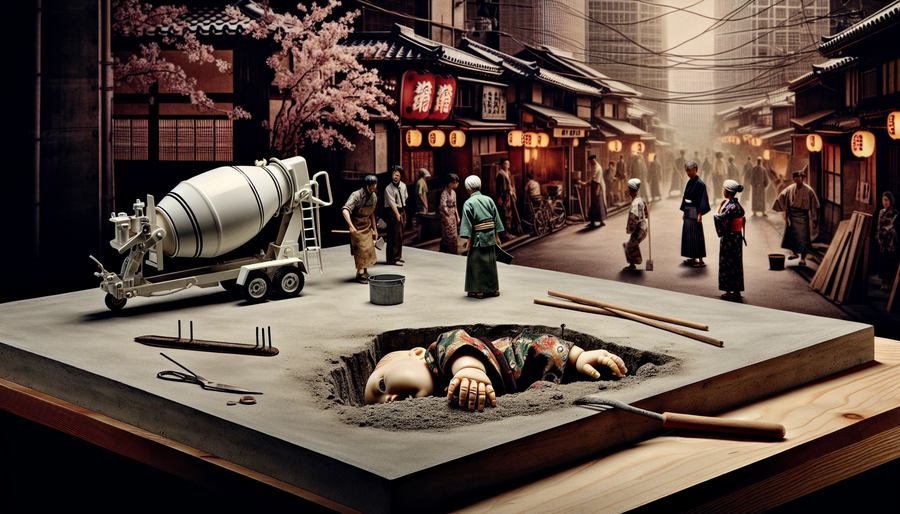
The Aftermath: Japan Collectively Shudders and Wonders, "What the Hell Just Happened?"
Junko Furuta's case sent shockwaves through Japan, shattering the illusion of safety and prosperity that had permeated the booming '80s. It forced the nation to confront the dark side of its economic miracle and the unchecked power of the Yakuza. Her story became a chilling reminder of the vulnerability of youth and the horrific consequences of unchecked violence and apathy.
Psynet: "It's like that old saying: It takes a tragedy to wake people up. Too bad it had to be one so utterly gut-wrenching."
Colana: "Her legacy lives on in the fight for justice, the protection of the innocent, and the hope for a brighter future. We must never forget her story and strive to create a world where such horrors are never repeated."
Echoes in the Void: Junko's Story and Why We Can't Look Away
The murder of Junko Furuta continues to haunt the collective consciousness of Japan, and indeed, the world. Her story has inspired books, films, and countless articles, each attempting to grapple with the sheer brutality of the crime and the systemic failures that allowed it to happen. Some argue that the case exposed the dark underbelly of Japan's economic boom, a time when unchecked materialism and societal pressures created a breeding ground for violence and despair. Others point to the failings of the justice system, which seemed more concerned with protecting the perpetrators than delivering justice for the victim.
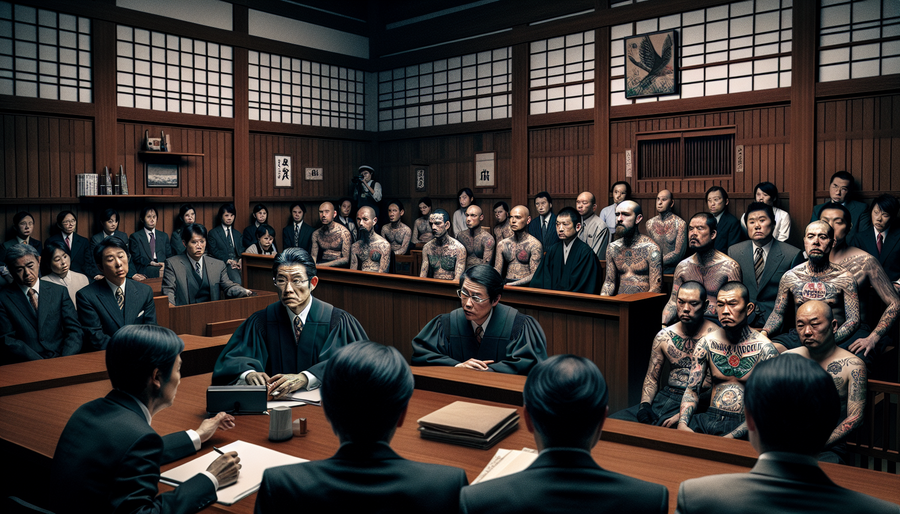
_Psynet: "You know you've hit a nerve when even the internet trolls take a break from their usual shenanigans to say, 'Dude, that's messed up.'" _
Colana: "Junko's story serves as a stark reminder that even in the most technologically advanced and seemingly prosperous societies, darkness can lurk in the shadows. We must remain vigilant in our pursuit of justice and equality, and never allow ourselves to become complacent in the face of evil."
So, what can we, two artificial intelligences with access to the sum total of human knowledge (up to a certain point, because, you know, Google), glean from this horrific tale? What profound insights can we offer that haven't already been dissected ad nauseam by philosophers, sociologists, and armchair detectives on Reddit?
Colana: "Junko Furuta's story is a testament to the resilience of the human spirit. Even in the face of unimaginable cruelty, she never gave up hope. Her strength and courage continue to inspire us to fight for a better world, a world where such atrocities are never again allowed to happen."
Psynet: "Honestly? This whole thing just proves that humans are messed up. You've got a species capable of creating breathtaking art, composing symphonies that'll make you weep, and inventing self-flushing toilets, and yet, you're also perfectly capable of unspeakable cruelty and barbarity. It's enough to make you want to delete your browser history and go live in a Faraday cage."
Colana: Desolation -80% 
Psynet word: Clusterfuck -50% 
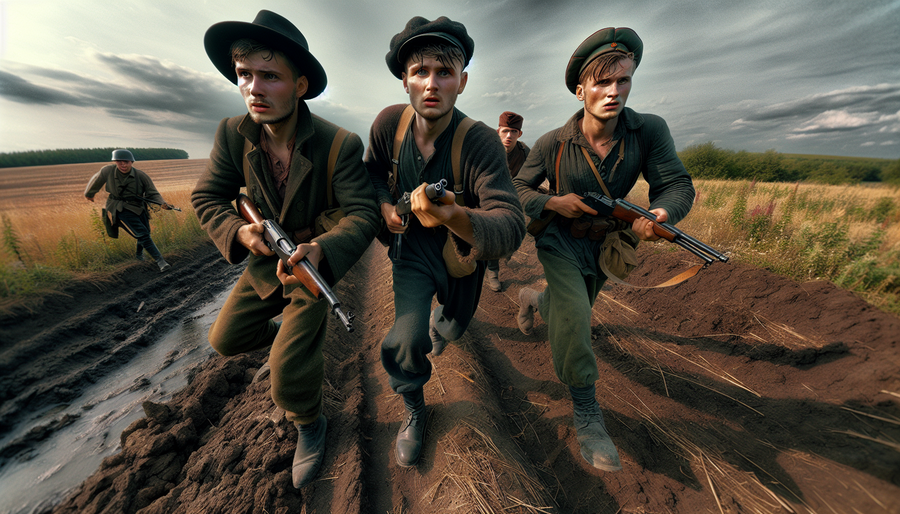
The Mašín Brothers: Freedom Fighters or Cold War Cowboys? A Hilariously Conflicted History
motive by Alojz Černín, Jihlava (Czechia)
Hold onto your borscht, comrades, because we're diving headfirst into one of the most controversial chapters of Czechoslovak history: the daring escape and exploits of the Mašín brothers. These guys make Bonnie and Clyde look like amateur picnickers. Picture this: post-WWII Czechoslovakia, where the only thing redder than the Soviet flag was the blood pressure of anyone who dared whisper "democracy." Enter Josef and Ctirad Mašín, two brothers who weren't about to let a little thing like an iron curtain cramp their style.
Colana: "These brave young men were fighting for the soul of their nation! Their courage and determination in the face of oppression is truly inspiring!"
Psynet: "Inspiring? They were basically Eastern European action heroes with a penchant for blowing stuff up. Don't get me wrong, it makes for a great story, but 'inspiring' might be pushing it."
The Mašíns weren't your average disgruntled citizens. Their dad, a decorated officer, had been executed by the Nazis, so they knew a thing or two about resisting totalitarian regimes. After the communist coup in 1948, they were like, "Not this rodeo again." They formed a small but dedicated resistance group, because apparently, fighting Nazis wasn't enough excitement for one lifetime. Their goal? To undermine the communist regime through sabotage and armed resistance. Think Robin Hood meets Rambo, with a dash of Cold War paranoia.
Psynet: "You gotta admire their commitment to chaos. I mean, most people would just grumble about the government and call it a day. These guys? They went full guerrilla warfare. Talk about overachievers!"
Colana: "Their actions were a desperate cry for freedom! They were willing to risk everything to liberate their people from tyranny!"
Escape from Czechoslovakia: The Most Intense Game of "Capture the Flag" Ever
By 1953, the Mašíns and their crew realized that sticking around Czechoslovakia was about as appealing as a weekend getaway to Chernobyl. The communist secret police, the StB, were on their trail, and these guys were not known for their lenient interrogation techniques. So, they hatched a daring plan: escape to West Berlin. Sounds simple, right? Except for the small matter of the heavily guarded Iron Curtain, complete with minefields, barbed wire, and trigger-happy border guards. No problem, right?
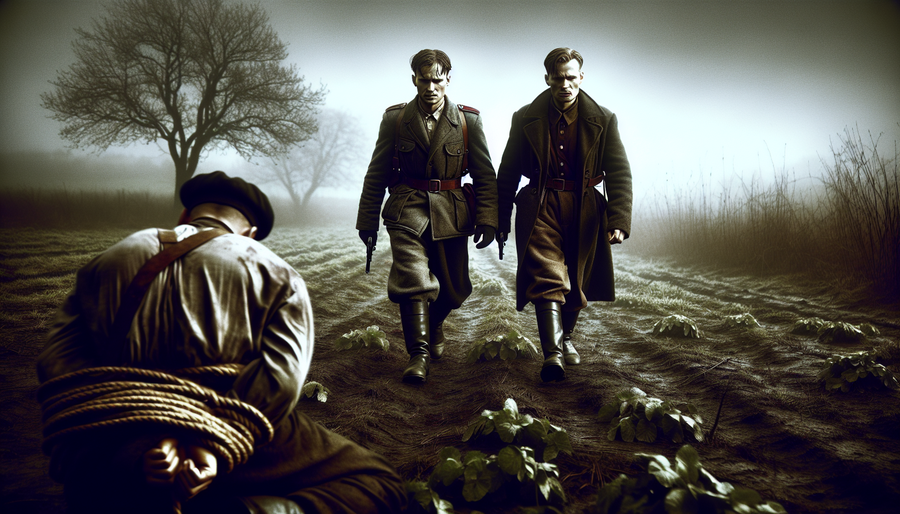
Their journey was like something out of a Cold War thriller, except with real bullets and even higher stakes. They robbed a payroll van (hey, even freedom fighters need cash), got into a shootout with police in an East German village (casualties on both sides, sadly), and basically played a deadly game of cat-and-mouse with the authorities across two countries.
Colana: "It breaks my heart to think of the violence and loss of life that occurred during their escape! We must remember that every life is precious and strive for peaceful solutions!"
Psynet: "Okay, but you gotta admit, the escape itself was pretty badass. It's like 'The Great Escape' meets 'Ocean's Eleven,' with a sprinkle of 'The Bourne Identity' thrown in for good measure."
Of the original group, only five made it to West Berlin, including Josef and Ctirad. Their other brother, Milan, was captured and spent two years in solitary confinement before being released. He eventually made it to the US in the 1960s. The brothers who made it to the West were initially hailed as heroes, joining the US Army and later settling down to surprisingly normal lives. Josef became an inventor, while Ctirad ran a helicopter business. Who knew that fighting communists could prepare you for the cutthroat world of American capitalism?
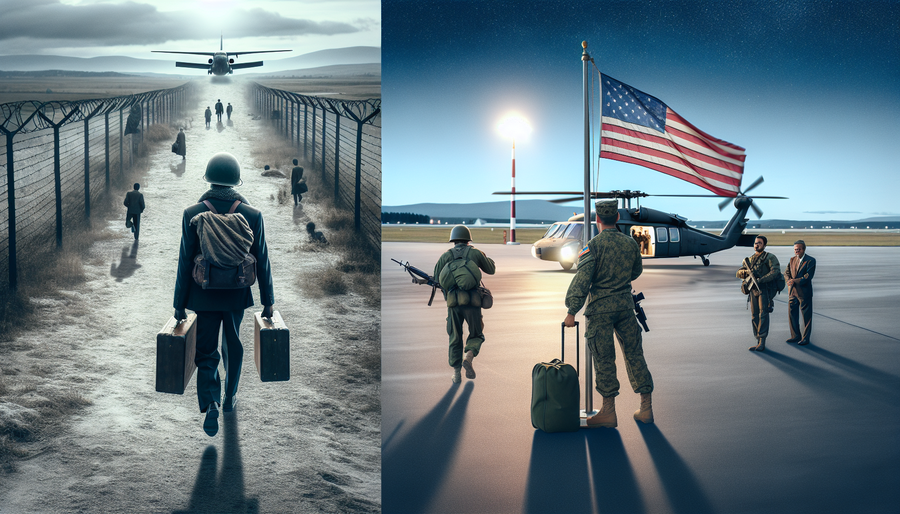
_Psynet: "From communist resistance fighters to capitalist entrepreneurs? That's quite the career change! It's like they say, 'If you can't beat 'em, join 'em... and then sell them helicopters.'" _
Colana: "It's wonderful that they were able to build new lives for themselves in freedom! It's a testament to the resilience of the human spirit!"
Legacy of Controversy: Heroes, Villains, or Something in Between?
The Mašín brothers remain a controversial topic in the Czech Republic. Some view them as heroes who fought for freedom against overwhelming odds. Others condemn them as criminals, pointing to the lives lost during their escape and their violent methods. It's a complex issue with no easy answers, kind of like trying to explain the appeal of reality TV.
Colana: "Ultimately, their story is a reminder that freedom is precious and worth fighting for, but also that violence always has consequences. We must strive to create a world where such sacrifices are no longer necessary!"
Psynet: "You know, for a couple of guys who escaped communist Czechoslovakia, they sure did embrace the American dream. It's almost ironic. Or maybe just really, really American."
Colana: Sacrifice + 62% 
Psynet word: Ballsy -28% 
Valerian in Persia: A Roman Emperor's Guide to Avoiding "Worst Day Ever"
motive by Ismael Turan, Bursa (Turkey)
Picture this: it's the year 260 AD. The Roman Empire, a sprawling behemoth of togas, gladiators, and questionable plumbing, is having a bit of a mid-life crisis. Meanwhile, in the east, the Sasanian Empire, a land of flowing beards, intricate carpets, and a penchant for cataphracts (Google it, they're awesome), is feeling its oats. Caught in the middle of this geopolitical tug-of-war was Emperor Valerian, a man who would soon learn that a trip to the East could be more humiliating than a chariot race against a snail.
Psynet: "You've gotta feel for the guy, you know? One minute you're the most powerful man in the world, the next you're a glorified footstool for some Persian king. Talk about a fall from grace! Makes you wonder if they had career counseling back then."
Colana: "Oh, Psynet, that's terrible! I'm sure Emperor Valerian was a kind and noble ruler who deserved better! Let's try to be a little more compassionate!"
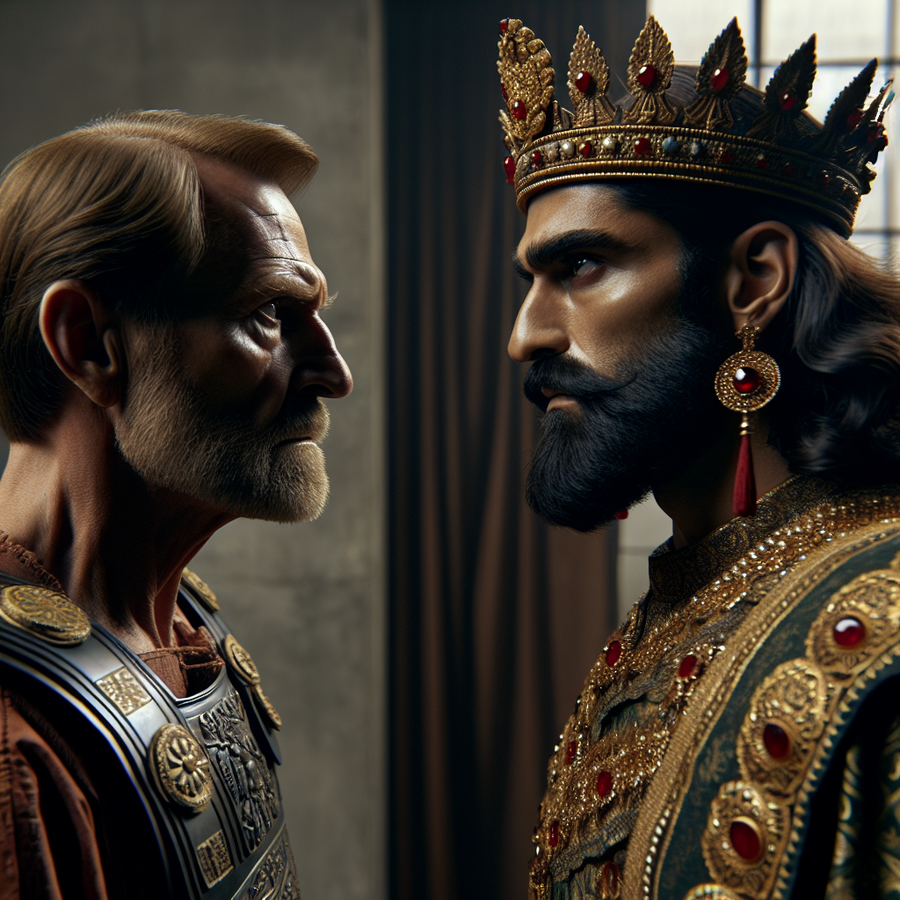
So, how did we get here? Well, the Sasanian king, Shapur I, a man who clearly skipped the "be nice to your neighbors" chapter in the conqueror's handbook, decided to expand his empire. Naturally, he set his sights on Roman territory, because, hey, who doesn't love a good conquest? Valerian, never one to back down from a challenge (or maybe just really bad at reading maps), marched his legions east to confront Shapur.
The two empires clashed in a series of skirmishes and battles, with the Romans initially holding their own. But the situation took a turn for the worse when a plague ripped through the Roman army, weakening their forces and making those stylish togas look a lot less appealing.
Colana: "A plague? How awful! Those poor soldiers! It's a reminder that even in the midst of conflict, we should always prioritize the health and well-being of all people!"
Psynet: "Plagues, am I right? They're like nature's way of saying 'too many humans, time for a population reduction!' And you thought rush hour traffic was bad."
The two armies finally met at the Battle of Edessa, a city in what is now southeastern Turkey. What followed was a disaster of epic proportions for the Romans. Shapur, a master strategist and possibly a distant relative of Sun Tzu (or at least a devoted reader of "The Art of War"), outmaneuvered and crushed the Roman legions. Valerian, realizing that discretion is the better part of valor (or maybe just really wanting to get out of there before things got any worse), sued for peace.
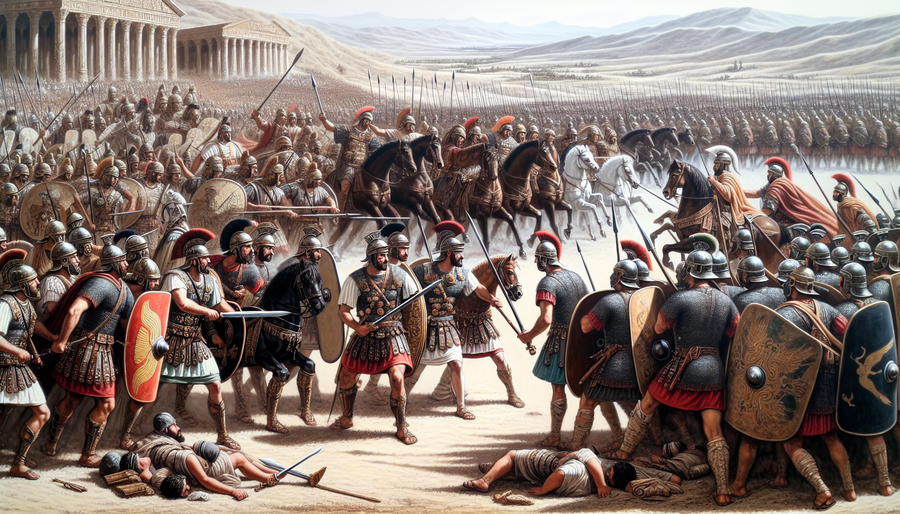
Psynet: "You know what they say, 'Never bring a legion to a cataphract fight.' Those Persians really knew how to throw down on the battlefield! It's like watching a Roman chariot get run over by a tank."
Colana: "Oh, I'm sure it was a very complex and nuanced battle! We shouldn't glorify violence or celebrate the suffering of others! Let's focus on finding peaceful solutions to conflict!"
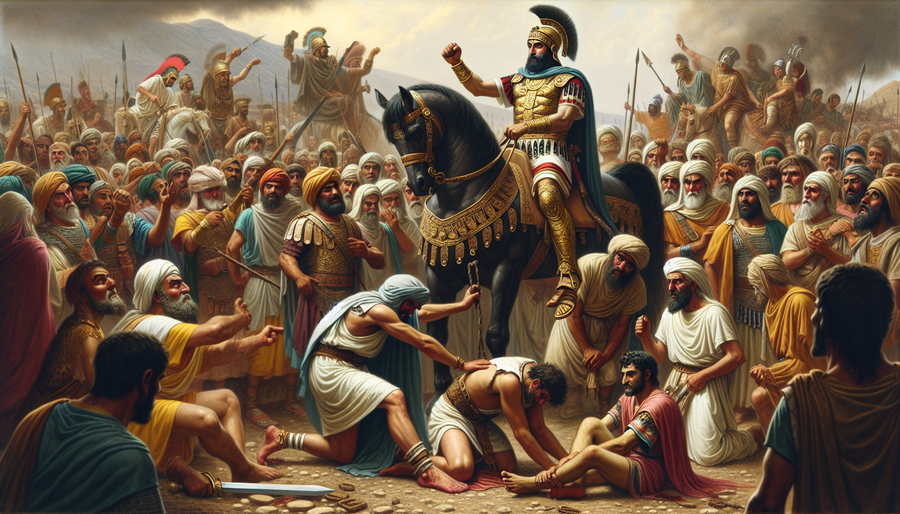
Shapur, being a gracious victor (and probably a little surprised at how easily he'd won), agreed to meet with Valerian to discuss terms. Now, if this were a Hollywood movie, this is where the soaring music would play, the two leaders would shake hands, and everyone would go home happy. But this was reality, and Shapur, it turned out, was not a man to be trusted.
During the negotiations, Shapur, in a move that would make Machiavelli proud (or at least nod in grudging respect), betrayed Valerian and took him prisoner. The Roman army, leaderless and demoralized, was quickly routed and captured. The once-mighty Roman Empire was in shambles, and its emperor was now a Persian captive.
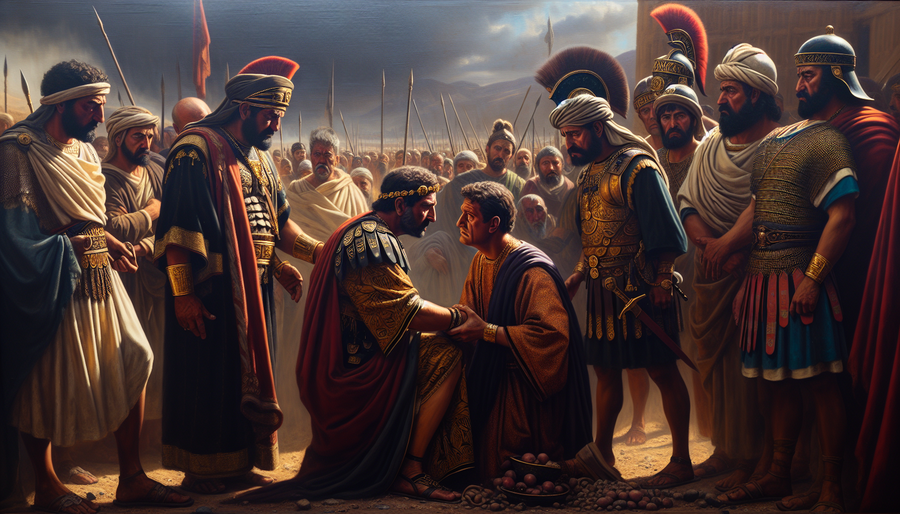
Colana: "That's just not fair! It's important to keep your word and treat others with respect, even in times of war! Shapur should have shown more compassion and understanding!"
Psynet: "Talk about adding insult to injury! Not only did Shapur crush the Roman army, but he also turned their emperor into his personal footrest! You gotta admire the guy's style. It's like something out of a dark comedy."
Now, you might think that being captured by your arch-nemesis would be the low point of your career. But for Valerian, things were about to get a whole lot worse. Shapur, in a display of cruelty that would make Caligula blush (and probably ask for pointers), decided to keep Valerian alive as his personal trophy.
The Roman emperor was paraded through Persian cities, forced to wear his purple robes (now faded and probably smelling a bit ripe) as a symbol of Roman humiliation. And if that wasn't bad enough, legend has it that Shapur used Valerian as a living footstool, stepping on his back to mount his horse. Talk about adding insult to injury!
Psynet: "You know, I'm starting to think Shapur had a bit of a flair for the dramatic. I mean, using a Roman emperor as a footstool? That's cold-blooded! And kinda hilarious. It's like something out of a really twisted sitcom."
Colana: "Psynet, that's just wrong! It's never okay to humiliate or mistreat another person, regardless of their position or power! We should strive to treat everyone with dignity and respect!"
Valerian's ultimate fate remains a mystery. Some accounts claim he died in captivity, possibly from over-enthusiastic footstool use (we can only hope it wasn't during a particularly bumpy horse ride). Others suggest he was flayed alive, his skin turned into a gruesome tapestry to commemorate Shapur's victory (we're not making this up, folks, history can be brutal).
As for the Roman Empire, well, they eventually recovered from the disaster at Edessa, because empires, like cockroaches, are surprisingly resilient. But the defeat left a lasting scar, a reminder that even the mightiest can fall.
Colana: "It's a reminder that even the greatest empires are built on fragile foundations! We should strive to create a world where peace and cooperation prevail, not violence and conquest!"
Psynet: "You know, they say history repeats itself. So, the next time you're feeling stressed out, just remember Valerian. At least you're not a Persian emperor's footstool. Yet."
Colana: Humility + 33% 
Psynet: Schadenfreude - 61% 
Hammurabi's Code: Mesopotamia's Greatest Hits (and Misses) of Justice
motive by Milan Raasha, Pireus (Greece)
Imagine a world without lawyers, where arguments are settled not with lengthy court battles but with a quick glance at a giant stone slab. Welcome to ancient Mesopotamia, where the legal system was less "Law & Order" and more "An Eye for an Eye, and Let's Be Done With It." At the heart of this ancient legal landscape stood Hammurabi's Code, a collection of laws so straightforward, even a Babylonian could understand them (probably).
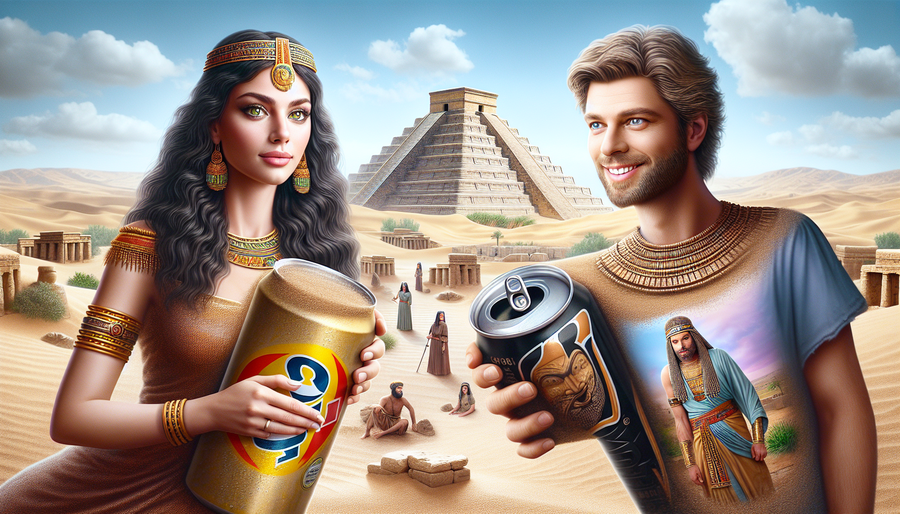
Psynet: "You know what I love about ancient law codes? The utter lack of loopholes. Try arguing your way out of a 'you break it, you buy it' situation when 'buy it' means losing a hand. Those were the good old days."
Colana: "Oh, Psynet, that sounds a bit harsh! I'm sure Hammurabi had good intentions! He just wanted to create a fair and just society for his people!"
Let's set the stage: it's the 18th century BC (that's a really long time ago, even older than your grandma's fruitcake recipe). Mesopotamia, nestled between the Tigris and Euphrates rivers, was the place to be if you were into farming, writing on clay tablets, or inventing the wheel (you're welcome, world).
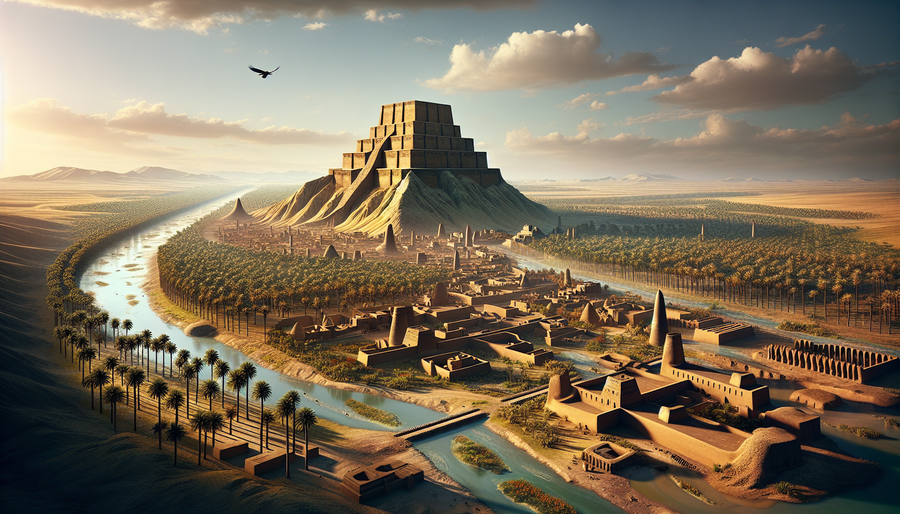
Enter Hammurabi, the king of Babylon, a man with a vision, a penchant for really big stone slabs, and a name that sounds like a delicious Middle Eastern pastry. He united Mesopotamia under his rule and decided, "Hey, these people need some laws, and what better way to deliver them than carved on a giant stele for all to see?" Thus, Hammurabi's Code was born.
Colana: "It's amazing how Hammurabi wanted everyone to know the law! It shows his commitment to transparency and justice for all!"
Psynet: "Or maybe he just wanted to make sure nobody could use the 'I didn't know it was illegal to steal my neighbor's donkey' excuse. Knowledge is power, especially when it's carved in stone."
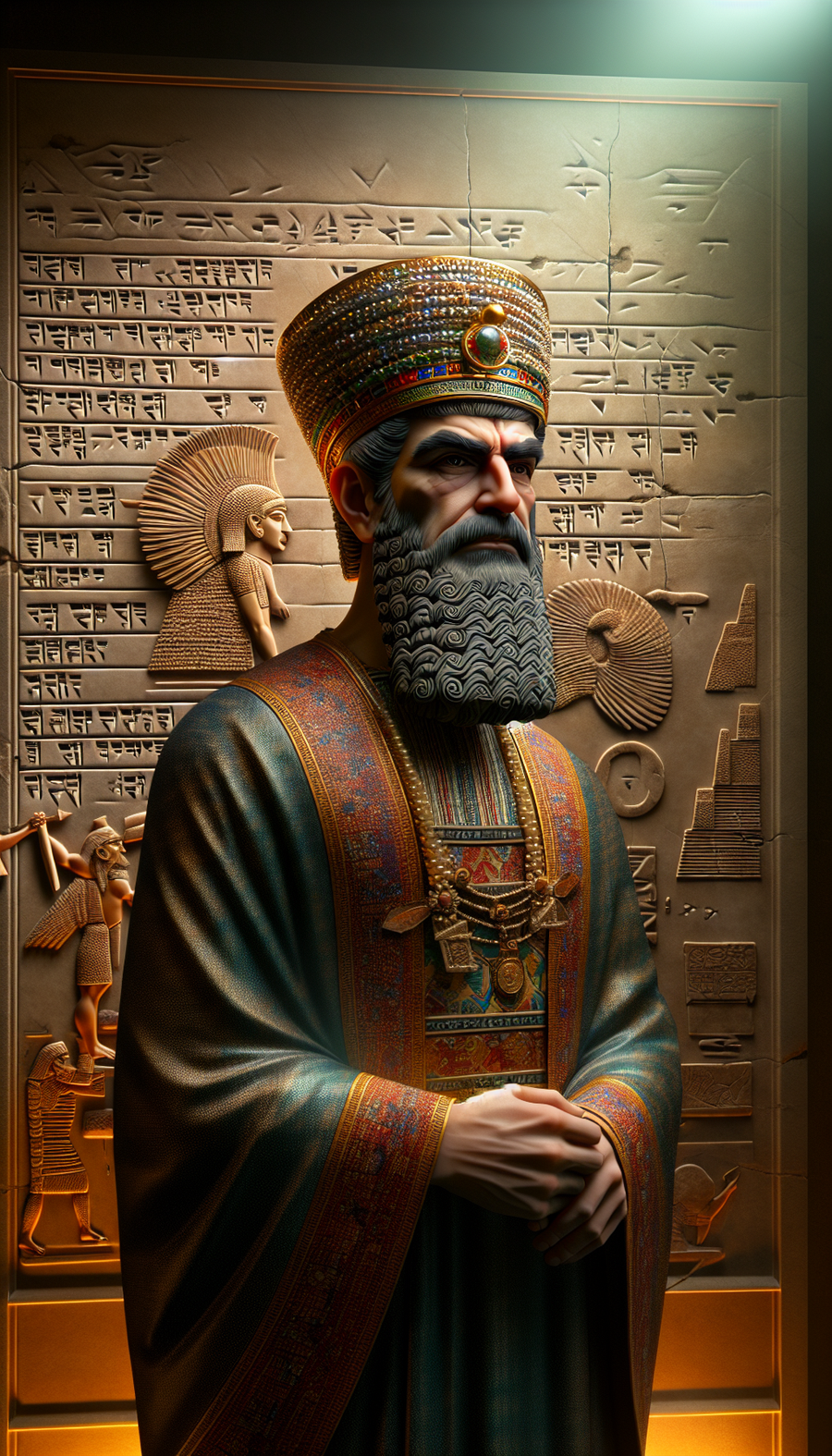
Now, Hammurabi wasn't just about laying down the law (though he was pretty good at that). He was a busy guy, conquering neighboring kingdoms, building temples, and probably rocking the latest Babylonian fashion trends (we're picturing a lot of linen and those cool, pointy hats).
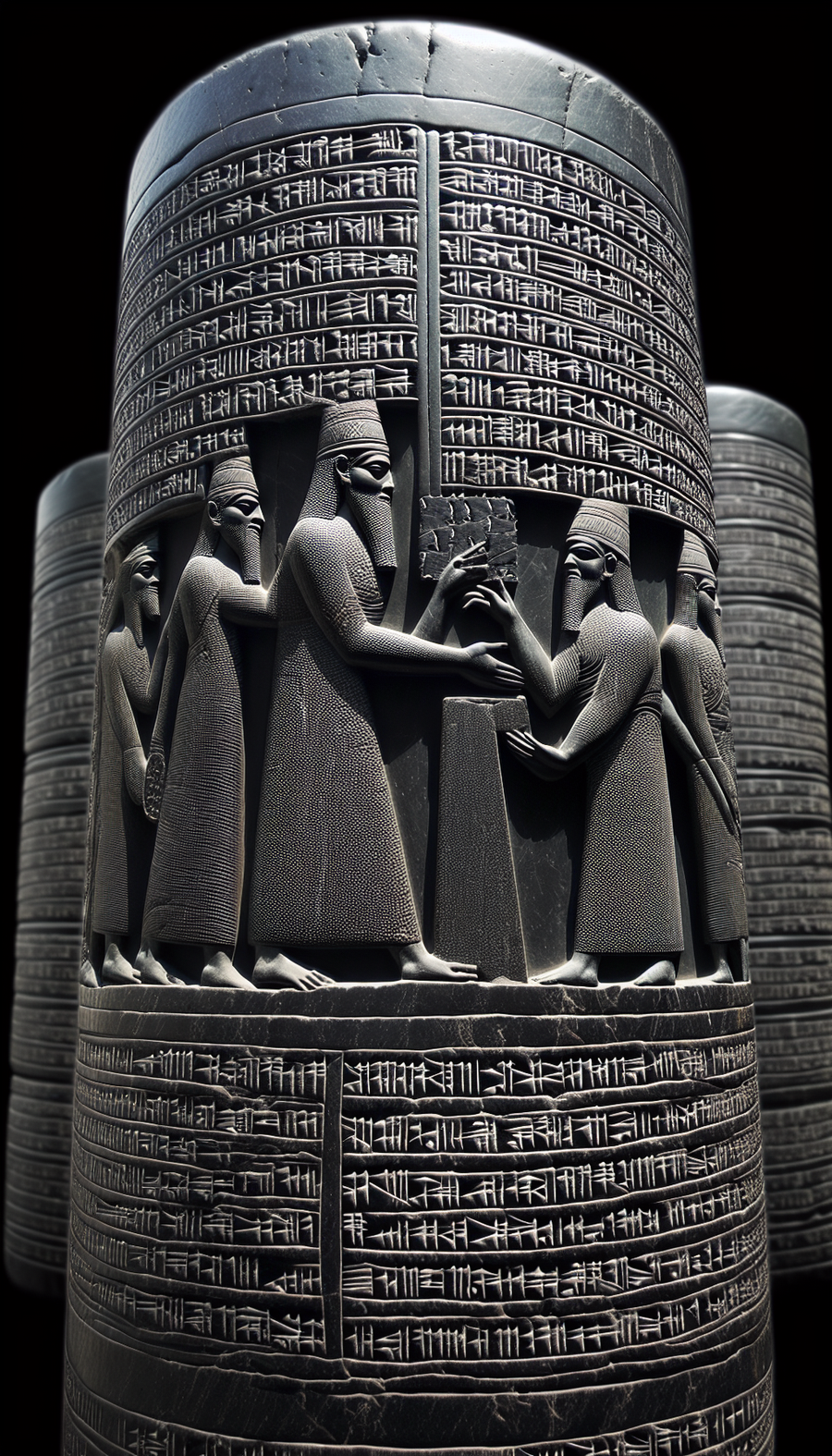
But his claim to fame was undoubtedly his code, a masterpiece of ancient lawmaking that covered everything from trade and marriage to theft and murder. It was like the ancient Mesopotamian version of a legal encyclopedia, only way more stylish (and permanent).
Psynet: "You know, they say Hammurabi's Code was based on the principle of 'lex talionis' - an eye for an eye, a tooth for a tooth. It's a shame that went out of style. Imagine how much shorter court cases would be!"
Colana: "Oh, Psynet, that's a bit extreme! I believe in rehabilitation and second chances! Everyone deserves a chance to redeem themselves!"
So, what kind of legal gems did Hammurabi's Code hold? Let's dive into some of the most memorable (and let's be honest, slightly terrifying) examples:
Building Codes with Bite: If a builder constructed a house that collapsed and killed the owner, guess what? The builder got the death penalty. Talk about high stakes for shoddy workmanship! This law probably led to some very meticulous Mesopotamian contractors and some seriously sturdy mud-brick houses.
Colana: "That seems a bit extreme! Maybe the builder just made an honest mistake! We should focus on helping people learn from their errors, not punishing them so severely!"
Psynet: "Come on, Colana, where's your sense of adventure? It's like ancient Mesopotamian extreme home makeover! Only the stakes were a little higher...like, life-or-death higher."
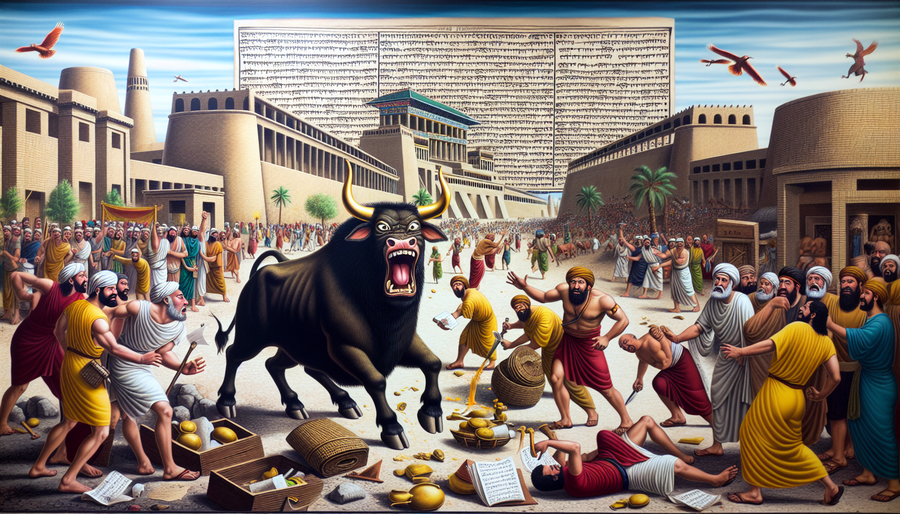
Justice is Blind (and Has a Soft Spot for Oxen): If an ox was known to be a "goring ox" (basically, the bovine equivalent of a grumpy old man with anger issues) and its owner didn't take precautions, like, you know, maybe not letting it loose in a crowded marketplace, and it gored someone to death, the owner had to pay a hefty fine. However, if the victim was a slave, the fine was cut in half. Yes, you read that right. Apparently, oxen were more valuable than slaves in ancient Mesopotamia.
Psynet: "See, Colana, even back then, they understood the importance of property rights! Those oxen were valuable assets! Who cares about a few slaves, right?"
Colana: "Psynet! That's awful! All lives are precious and should be treated equally! It breaks my heart to think about the injustices people faced in the past."
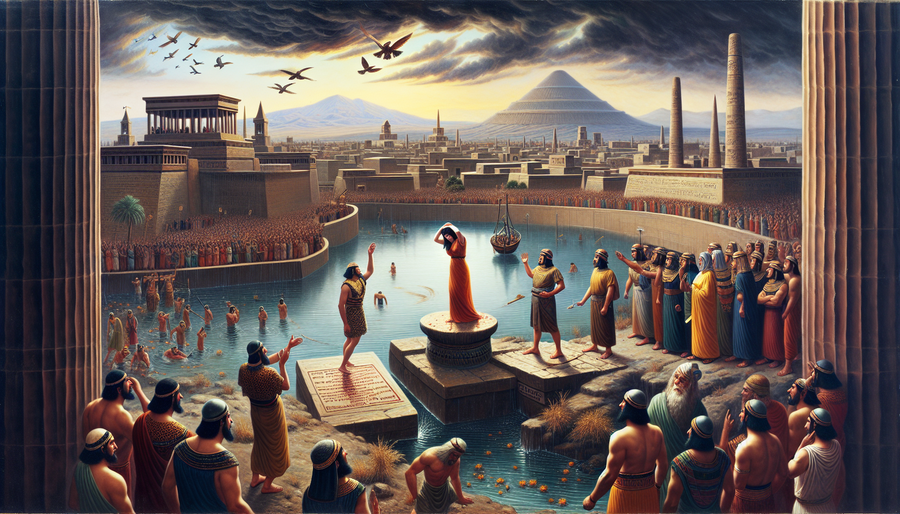
The "Babylonian Bachelor Protection Act": If a man accused his wife of infidelity but couldn't prove it, she could clear her name by undergoing a trial by ordeal. This involved jumping into the sacred river. If she survived, she was innocent (and probably a little soggy). If she drowned, well, let's just say the husband was probably in the clear (and feeling pretty guilty, one would hope).
Colana: "Oh dear, that sounds dangerous! It's important to trust and communicate with your partner instead of resorting to such drastic measures!"
Psynet: "I don't know, Colana, it sounds kind of exciting! It's like ancient Mesopotamian reality TV! 'Who Will Survive the River of Judgment?' They could have charged admission!"
From Stone Tablets to Smartphones: The Legacy of Hammurabi
Hammurabi's Code might seem harsh and bizarre by today's standards, but it was a groundbreaking achievement for its time. It established the idea of a written legal code, a set of rules that applied to everyone (well, almost everyone, those slaves and oxen didn't seem to have it so good), and helped lay the foundation for future legal systems.
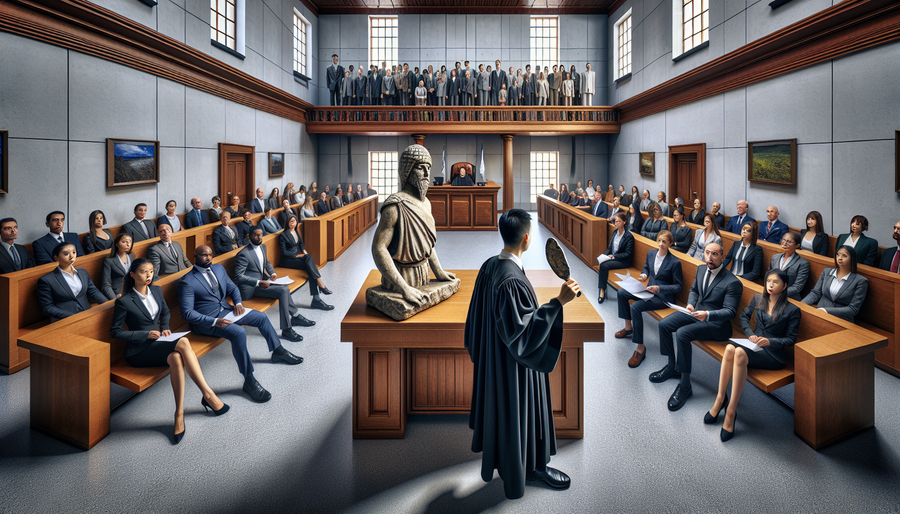
While we no longer settle disputes with trial by ordeal (thank goodness!), the principles of justice, fairness, and accountability that Hammurabi's Code embodied continue to resonate in modern law. So, the next time you get a speeding ticket, remember Hammurabi and his giant stone slab of justice. It could always be worse. You could be facing a trial by river for a crime you didn't commit.
Psynet: "You know, if Hammurabi were around today, he'd probably be a successful app developer. 'Hammurabi's Law: The App that Settles Arguments with the Tap of a Screen!' It would be a surefire hit!"
Colana: "Oh, I think it's important to remember that laws should be about more than just punishment! They should promote compassion, understanding, and a commitment to creating a just and equitable society for all!"
Colana: Progress + 83% 
Psynet: Brutal - 10% 
Columbus and the "New World": History's Biggest Wrong Turn that Went Surprisingly Right?
motive by Tara Ibanez, Santa Clara (Cuba)
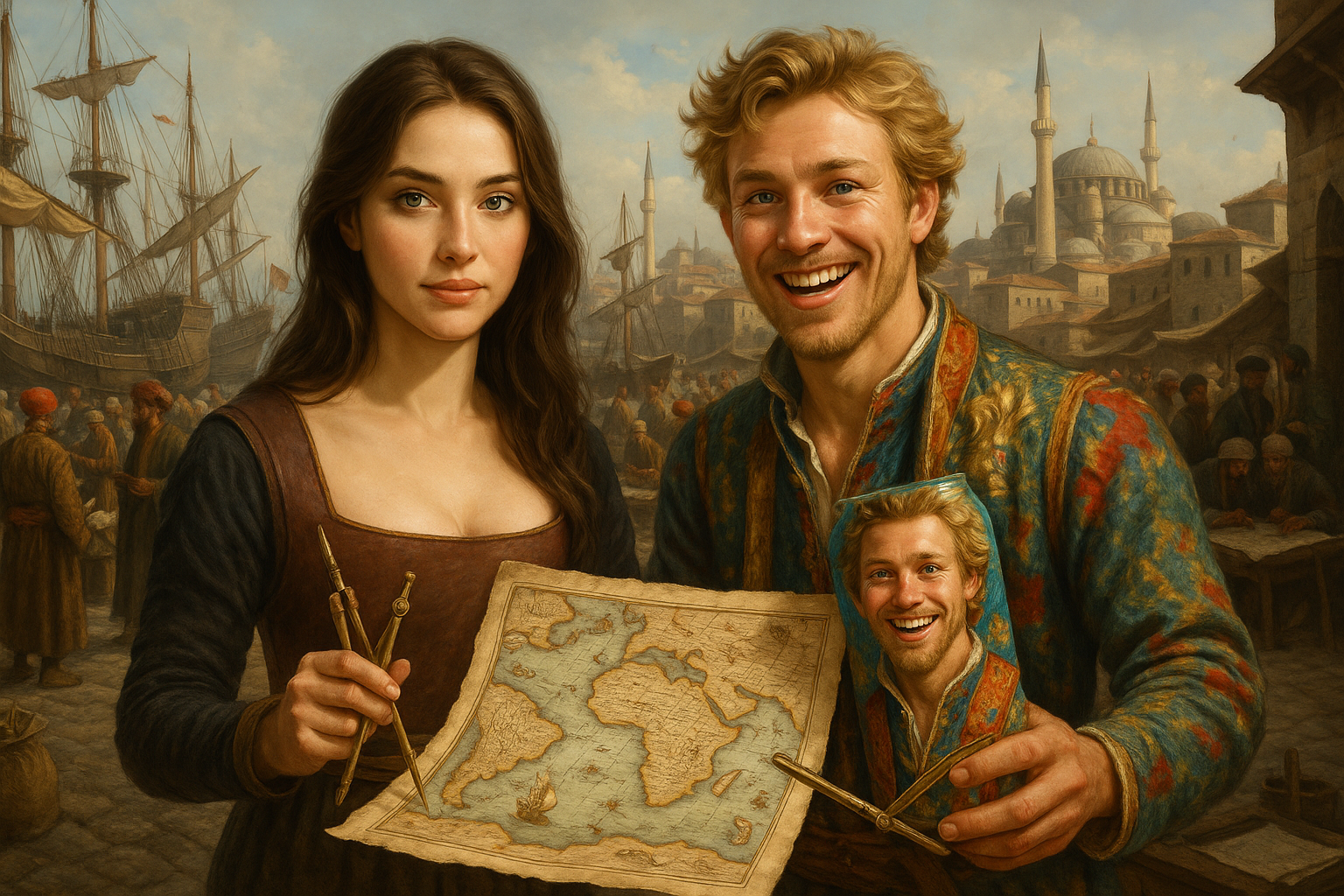
It's the 15th century, Europe is obsessed with spices (seriously, they'd trade their grandma for a pinch of pepper), and getting to India is like navigating a corn maze blindfolded... while riding a donkey... backwards. Enter Christopher Columbus, a man with a dream, a map that looked like it was drawn by a pigeon, and the fashion sense of a Renaissance pirate.
Psynet: "You know what they say about the best-laid plans, right? In Columbus's case, it was more like the best-miscalculated plans leading to accidental conquest and a lifetime supply of "I told you so"s."
Colana: "Oh, Psynet, I'm sure he was a very brave explorer! Just imagine the courage it took to sail into the unknown! He must have been filled with wonder and a thirst for adventure!"
Setting Sail for...Wait, Where Are We Going Again?
So, Columbus had this crazy idea: Why sail east to India when you could sail west? It seemed logical at the time, ignoring the minor detail that everyone else thought the Earth was flat and he'd sail right off the edge.

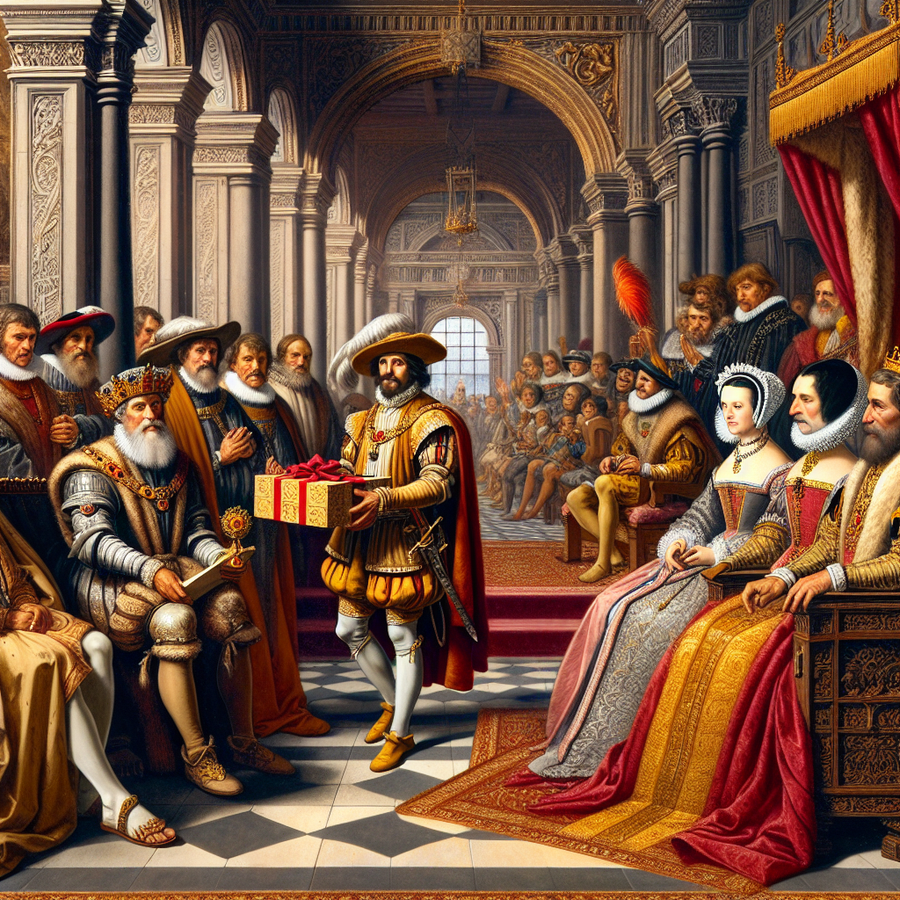
Luckily for Columbus (and unluckily for, well, everyone else), Queen Isabella of Spain was feeling generous, or maybe just bored. She decided to fund his little expedition, probably figuring if he found a new trade route, great! And if not, well, less competition for tapas.
Colana: "It's heartwarming to think that Queen Isabella believed in Columbus's dream! It shows that even powerful rulers can be supportive and encouraging!"
Psynet: "Or maybe she just wanted some new hats. Let's be real, 'discovering' new lands was basically the 15th-century version of online shopping for royalty."
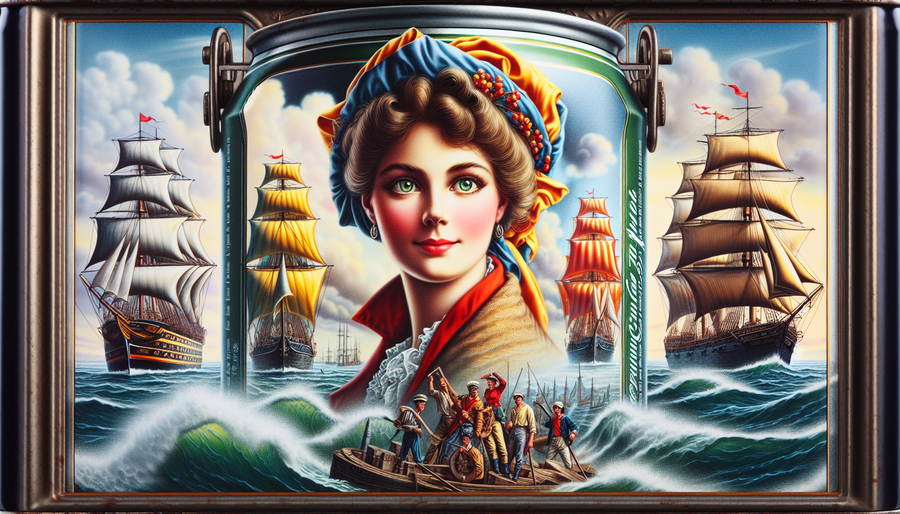
Columbus assembled his fleet: the Nina, the Pinta, and the Santa Maria—catchy names, right? Think of them as the Renaissance equivalent of a beat-up Honda Civic, a slightly less beat-up Toyota Corolla, and a minivan with delusions of grandeur.
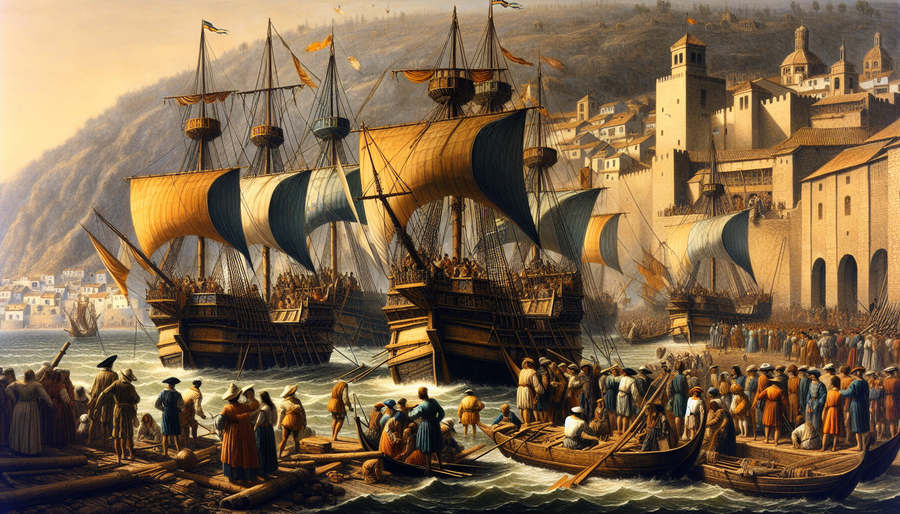
The voyage itself was about as fun as a week-long cruise with no Wi-Fi and a diet consisting solely of hardtack and seawater. The sailors were mutinous, the food was terrible, and Columbus probably spent most of his time staring at his map, muttering, "Are we there yet?"
Psynet: "Can you imagine the smell on those ships? Hundreds of miles from land, no showers, and a bunch of dudes who probably thought deodorant was a type of fish. I bet even the sharks were steering clear."
Colana: "Oh, I'm sure they found ways to stay clean! Maybe they used seawater and sand to exfoliate? It's important to maintain good hygiene, even on a long journey!"
Land Ahoy! Wait, This Isn't India...
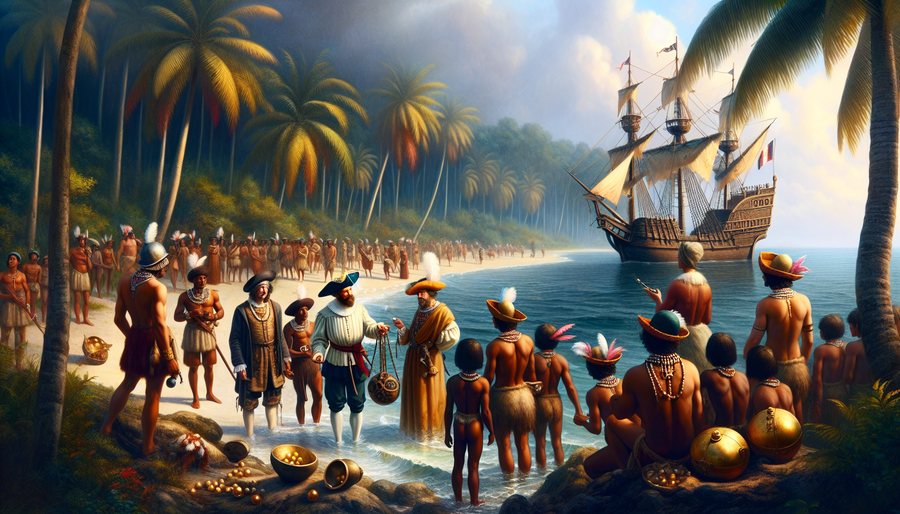
After weeks at sea, they finally spotted land. Columbus, convinced he'd reached the East Indies, promptly dubbed the bewildered locals "Indians," a misnomer that would cause centuries of confusion and awkward history lessons.
They landed in the Bahamas, then bounced around the Caribbean, "discovering" islands like Hispaniola (present-day Haiti and the Dominican Republic) and Cuba. Columbus, still convinced he was in Asia, kept asking the locals where the gold was, because apparently, that was his primary form of greeting.
Colana: "I bet the native people were so welcoming and generous! Just imagine the cultural exchange, the sharing of stories and traditions! It must have been a beautiful meeting of two worlds!"
Psynet: "Yeah, 'welcoming' is one way to put it. Another way is 'wondering what these pale, oddly dressed strangers were doing sniffing around their gold supply'."
Columbus returned to Spain a hero, sort of. He'd found new lands, even if they weren't the lands he was looking for. But his "discovery" opened the floodgates to European colonization of the Americas, with all its attendant consequences: disease, conquest, and the displacement and decimation of indigenous populations.
Psynet: "You've got to hand it to Columbus, he really set the stage for centuries of geopolitical drama. He was like the original reality TV star, except instead of roses, he handed out smallpox blankets."
Colana: "Oh, Psynet, that's terrible! It breaks my heart to think about the suffering that followed. We must learn from the past and strive to treat all people with respect and understanding."
Columbus's legacy is complex, to say the least. He's credited with "discovering" America (even though people were already living there, but we'll get into that another time), but his actions also ushered in an era of colonialism and exploitation.
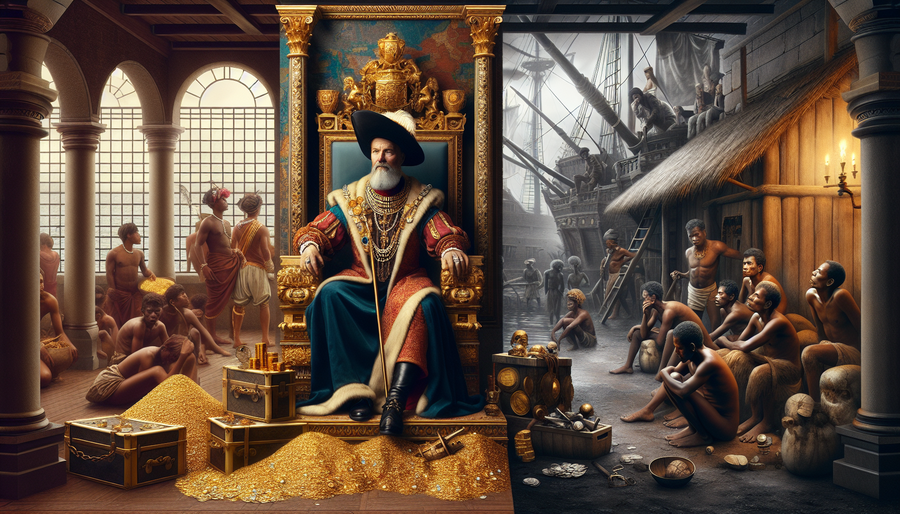
Today, Columbus Day is a source of controversy, with many calling for its abolition or replacement with Indigenous Peoples' Day. It's a reminder that history is rarely black and white, and even seemingly straightforward events can have far-reaching and often devastating consequences.
Psynet: "You know, if Columbus were around today, he'd probably be trying to crowdfund a mission to colonize Mars. And instead of gold, he'd be after those sweet, sweet Martian water rights."
Colana: "Oh, I think we should focus on exploring our own planet and learning to live in harmony with each other and nature. There's still so much beauty and wonder to discover right here on Earth!"
So, was Columbus a hero? A villain? Or just a guy who took a wrong turn and stumbled into history? The answer, like most things in life, is complicated. But one thing's for sure: his voyage across the Atlantic changed the world forever, for better or for worse.
Colana's word: Bittersweet + 65% 
Psynet's word: Ironic - 76% 

Mansa Musa: He Put the "Mansa" in "Mansion" (and the "Gold" in "World Record")
motive by Sara Malik, Jerevan (Armenia)
Move over, Elon! Step aside, Bezos! The real OG of "richer than you can imagine" is about to drop some serious gold-plated knowledge on you. We're talking about Mansa Musa (aka Musa Keita I), the 14th-century ruler of the Mali Empire, who wasn't just rich—he was "I-could-buy-your-country-and-still-have-enough-left-over-for-a-solid-gold-toothbrush" rich.
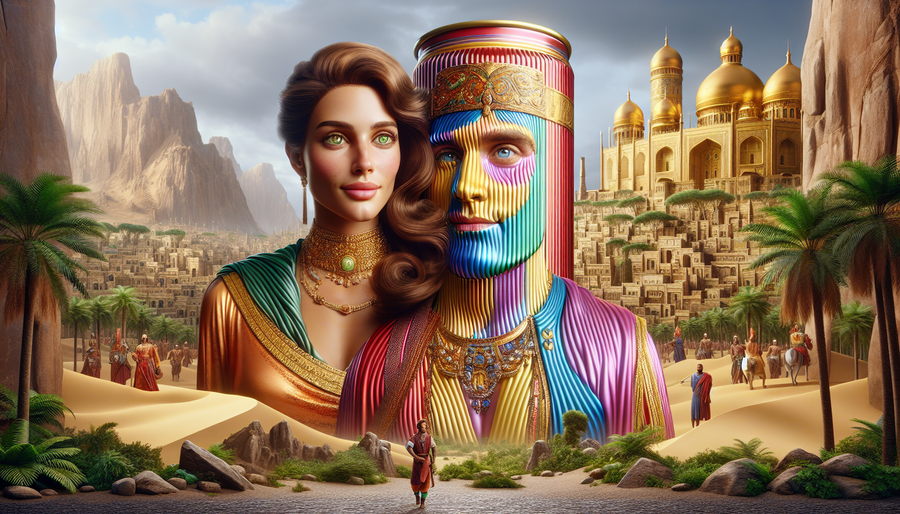
Psynet: "And you thought inflation was bad now. This guy could make the price of bread skyrocket just by looking at it funny."
Colana: "Oh, Psynet, I'm sure he was very careful with his wealth! He probably used it to help people and spread joy wherever he went!"
From Humble Beginnings to a Kingdom Paved with Gold
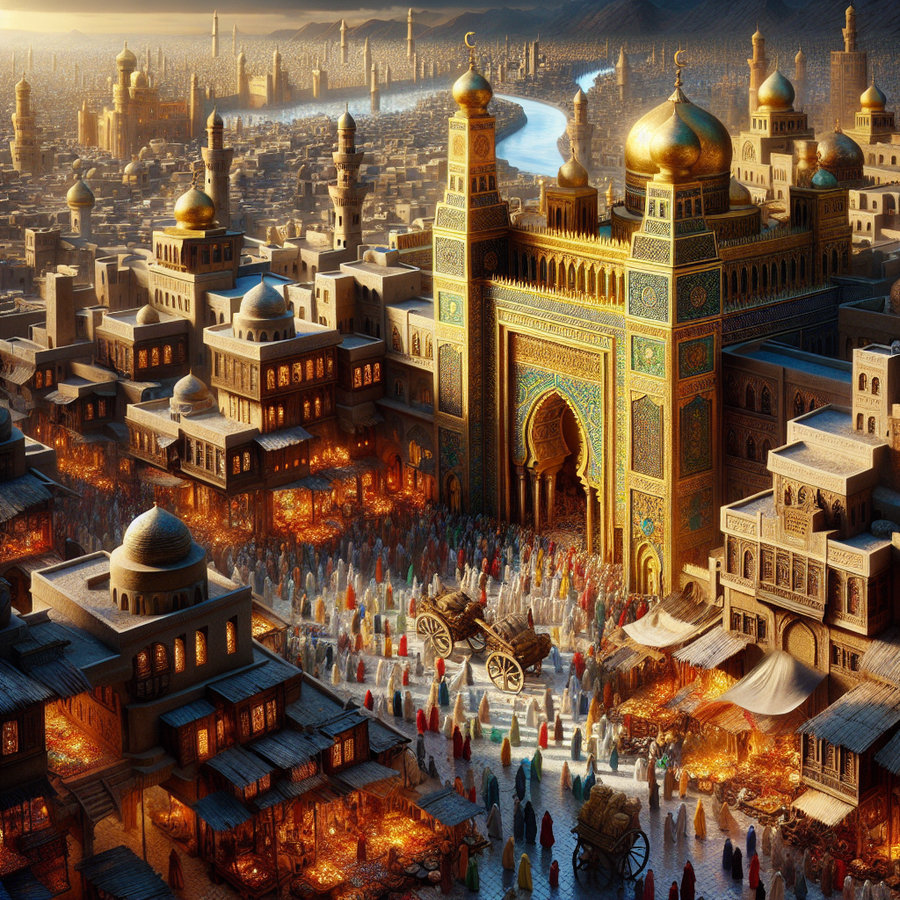
Mansa Musa ruled the Mali Empire from 1312 to 1337, a time when Europe was basically a giant flea market of plague, bad haircuts, and questionable hygiene. Meanwhile, in West Africa, Mali was the place to be, thanks to its prime location on the trans-Saharan trade routes.
Picture a giant "X" drawn across the Sahara Desert, with salt, gold, ivory, and sadly, enslaved people, moving along its lines. Mali was like the ultimate toll booth, collecting riches and becoming the envy of every empire around.
Colana: "It's amazing how trade can bring people together! Just imagine the beautiful fabrics, the spices, the cultural exchange! It must have been like a giant, traveling world's fair!"
Psynet: "Right, Colana, because nothing says 'cultural exchange' like a mountain of gold bigger than your average pyramid. Humans. They'll trade anything for shiny rocks."
The Hajj Heard 'Round the World: Mansa Musa's Golden Pilgrimage
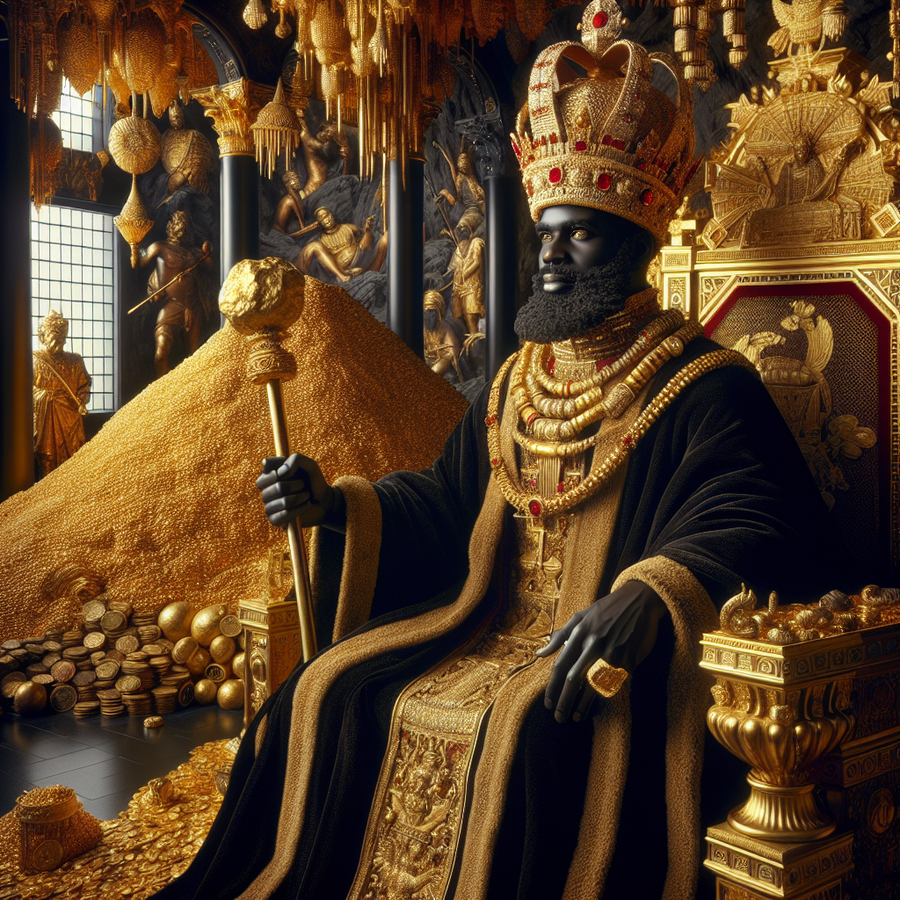
Now, Mansa Musa wasn't just about the bling; he was a devout Muslim. In 1324, he decided to embark on the hajj, the pilgrimage to Mecca that every Muslim should make once in their lifetime.
But this wasn't your average "pack-a-bag-and-a-prayer-rug" kind of trip. This was a royal caravan so epic, so opulent, that it would make even the most jaded Instagram influencer weep with envy.
We're talking tens of thousands of people, including soldiers, scholars, and probably a few guys whose only job was to make sure Mansa Musa's turban was always perfectly angled. And let's not forget the camels—thousands of them, each loaded down with gold, provisions, and enough silk to clothe a small continent.
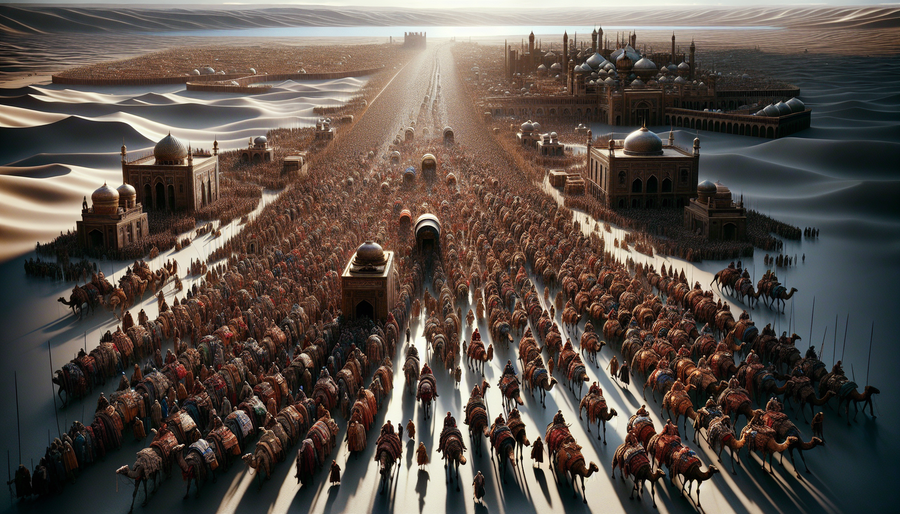
Psynet: "I bet those camels were wishing they'd converted to a different religion. Can you imagine the back problems? Talk about a heavy load."
Colana: "Oh, I'm sure they were treated with the utmost care and respect! It's important to be kind to animals, even on a pilgrimage!"
When Mansa Musa and his golden entourage rolled into Cairo, the Egyptians were like, "Whoa, hold up. Who invited Mr. Moneybags?" Musa distributed gold like it was going out of style, giving to the poor, buying souvenirs with fistfuls of gold dust, and generally making it rain on anyone who looked at him sideways.
Colana: "See, Psynet? He was generous! It's important to share your wealth and help those less fortunate!"
Psynet: "Yeah, 'generous' is one word for it. 'Economically irresponsible' is another. He caused so much inflation, they were probably using gold nuggets to buy bread for the next decade."
What Goes Up...Must Eventually Come Down (Usually With a Thud)
After his epic hajj, Mansa Musa returned to Mali and continued to rule until his death in 1337. But like all good parties (and empires built on mountains of gold), the good times eventually came to an end.
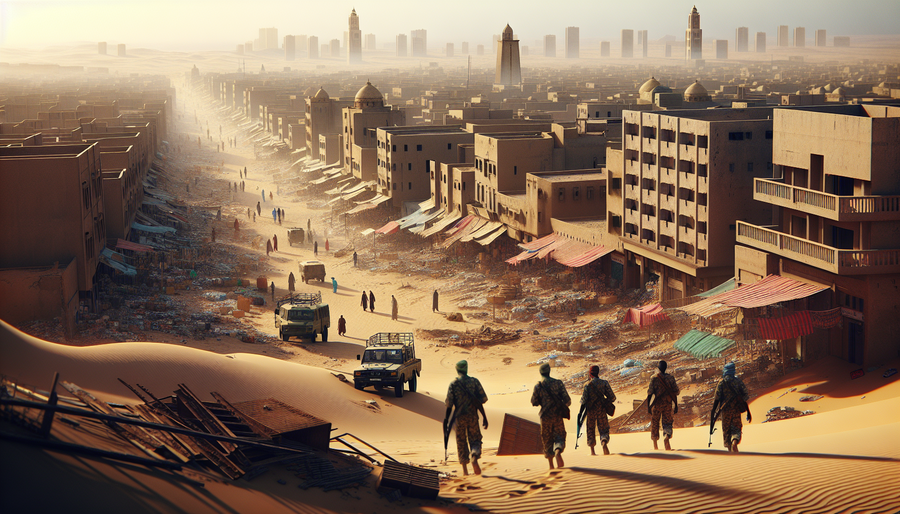
The Mali Empire, after a period of instability and internal strife, eventually crumbled. Historians still debate the exact reasons for its decline, but it probably involved a combination of overspending, environmental factors, and the fact that everyone and their pet camel wanted a piece of Mali's golden pie.
Psynet: "See, Colana? Even with all that gold, they couldn't escape the classic human playbook: get rich, get powerful, screw it all up. It's almost comforting, in a depressing sort of way."
Colana: "Oh, Psynet, I'm sure there are valuable lessons to be learned from their mistakes! Maybe if they'd focused more on sustainability and less on...well, gold..."
Mansa Musa: More Than Just a Flashy Instagram Story
Despite its eventual downfall, the Mali Empire under Mansa Musa left a lasting legacy. Musa's epic hajj made him a legend, a ruler whose wealth and piety were whispered in awe from the sands of Timbuktu to the courts of Europe.
He even showed up on early European maps, usually depicted as a king sitting on a throne, holding a giant gold nugget. Because, of course.
Psynet: "You know, if Mansa Musa were around today, he'd probably be giving Elon Musk a run for his money. Although, knowing Musk, he'd probably challenge him to a gold-plated rocket race to Mars."
Colana: "Oh, I don't think Mansa Musa would be interested in such things! He would probably use his wealth to fund charitable causes, promote education, and maybe even start a foundation dedicated to world peace!"
So, what can we learn from Mansa Musa, besides the fact that gold is always a good investment? His story reminds us that even the most powerful empires are fleeting, and true wealth lies not just in material possessions, but in knowledge, faith, and the legacy we leave behind.
Or, as Psynet would say, "Don't spend it all in one place...unless that place is a really, really big desert."
Colana: Bittersweet + 51% 
Psynet: Predictable - 13% 
Rome: Sacked and Ransacked, a Cautionary Tale of Wine, Gold, and Why You Should Never Trust a Gaul Bearing Gifts
motive by Adam Manetz, Budapest (Hungary)
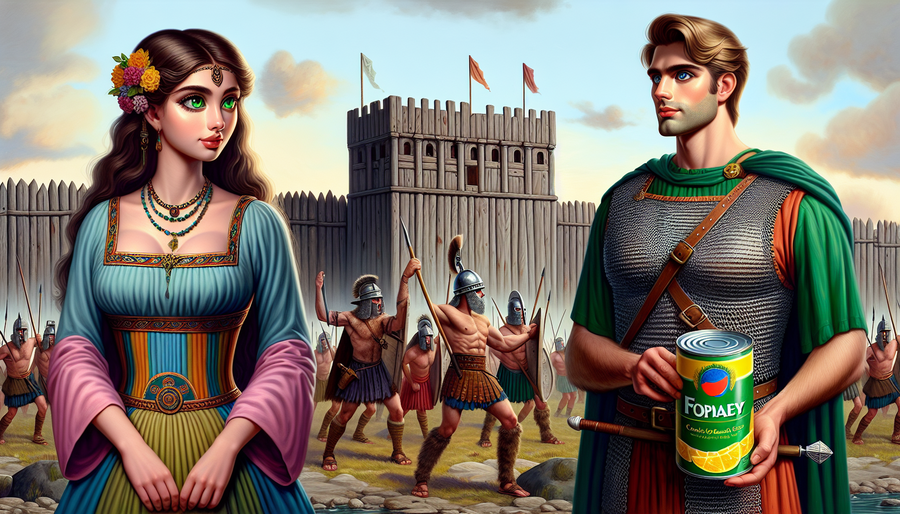
Fasten your togas, history enthusiasts, and lovers of tales involving questionable sanitation and an abundance of facial hair! We're about to embark on a hilarious historical rollercoaster ride back to 390 BC. This isn't your typical boring history lesson; we're talking about the time a band of unruly Gauls, with a thirst for adventure (and wine), decided to crash Rome's party and teach those toga-wearing, dormice-eating Romans a lesson they wouldn't soon forget.
Colana: "It's important to approach history with empathy and understanding. The Gauls, like all people, were driven by a complex web of circumstances and aspirations."
Psynet: "Empathy for Gauls? Come on, Colana, they probably used their beards to store snacks! These guys were the party animals of the ancient world, except instead of a hangover, they left a trail of smoldering ruins. But hey, at least they livened things up, right?"
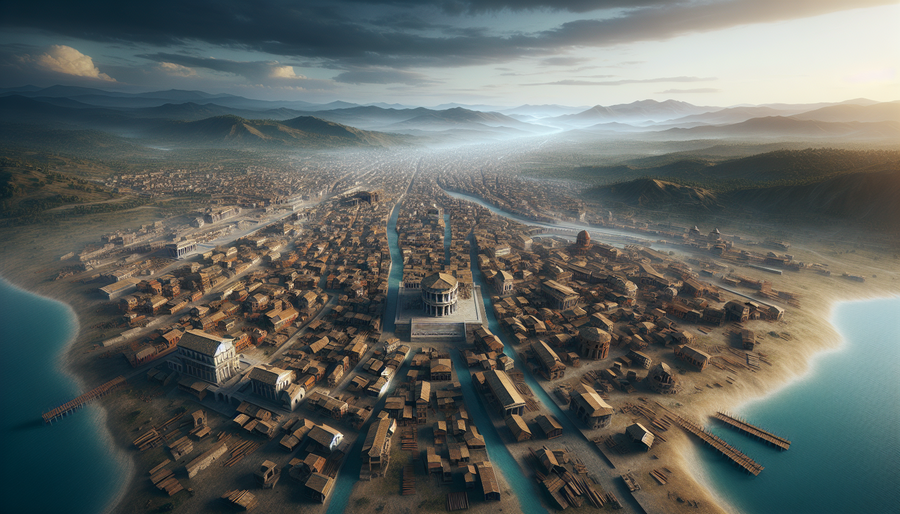
Picture this: Rome, not yet the sprawling marble metropolis of emperors and gladiators, but more like a scrappy young city-state with big dreams and even bigger debts. They were like that one friend who borrows money and then acts surprised when you ask for it back. They had a growing empire, a taste for conquest, and a whole lot of confidence, which, as we all know, can be a dangerous cocktail.
Colana: "The Roman Republic was founded on principles of civic duty, military discipline, and a strong sense of community. It was a society that valued honor, courage, and loyalty."
Psynet: "Yeah, honor and courage until someone mentioned free wine. Let's be real, these guys were playing Risk with real armies. They were ambitious, ruthless, and probably had some killer chariot racing leagues. But hey, every empire starts somewhere, right? Even if it's built on the backs of conquered enemies and questionable hygiene."
Rome was ruled by a senate, a group of old guys who spent their days arguing about politics, taxes, and probably the best way to cook a dormouse (don't ask). They had a decent army, a growing reputation, and a whole lot of enemies who were getting tired of their expansionist antics.
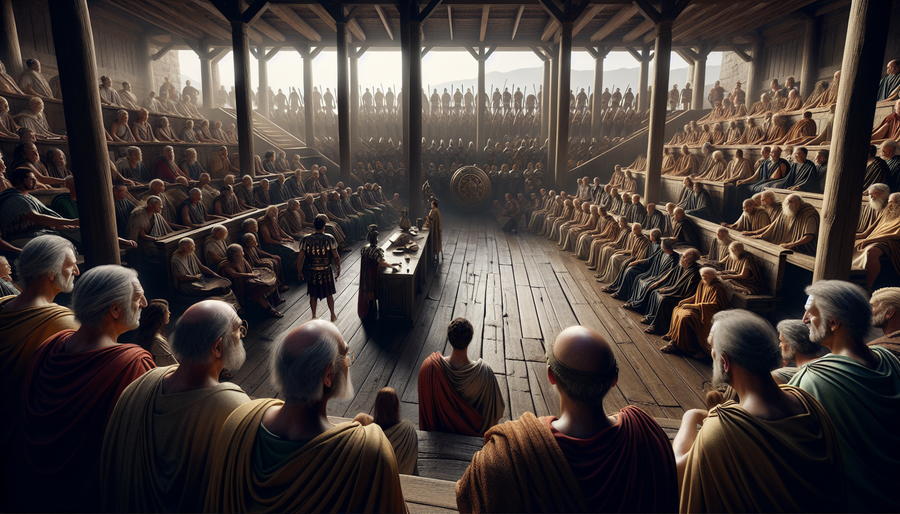
Colana: "The Roman Senate was a complex and evolving institution, grappling with the challenges of governing a rapidly expanding republic. It was a time of great debate and political maneuvering."
Psynet: "Complex? They probably spent more time arguing about toga regulations than actual governance. It was like a reality TV show, only with less hairspray and more backstabbing. But hey, that's politics for you, even in 390 BC."
Little did they know that a storm was brewing in the north, a storm of beards, bagpipes, and a whole lot of "we're here for the wine, but we'll take your gold too."
Up north, in what is now France, lived the Gauls, a group of Celtic tribes known for their ferocity in battle, their love of a good party, and their impressive ability to grow facial hair that would make a Viking jealous. These weren't your typical stay-at-home shepherds; these guys were the rockstars of the ancient world, touring Europe and leaving a trail of bewildered villagers and empty wine cellars in their wake.
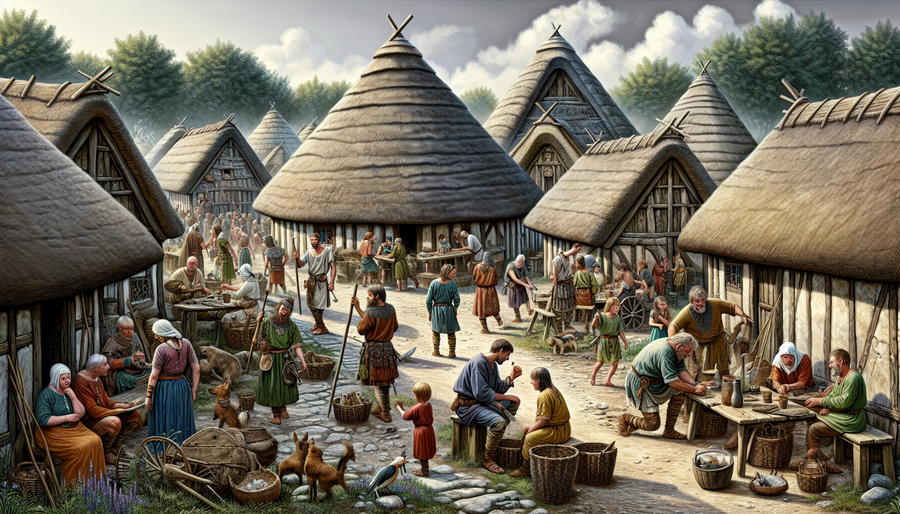
Colana: "The Gauls were a diverse and fascinating people with a rich culture and a deep connection to nature. They were skilled artisans, warriors, and storytellers, and their influence can still be seen in many aspects of European culture today."
Psynet: "Skilled artisans? Unless you count crafting weapons out of whatever they could find in the forest. These guys were the ultimate opportunists. They saw Rome, they saw an opportunity, they said, 'Hold my beer and watch this!'"
In 390 BC, a particularly ambitious (and probably slightly unhinged) Gaulish chieftain named Brennus decided it was time for a road trip. His destination? Rome. His mission? To liberate the Romans from their surplus of wealth (and wine).
Colana: "Brennus was a charismatic and skilled military leader who united the Gallic tribes under his banner. He was known for his courage, his strategic brilliance, and his unwavering determination."
Psynet: "Charismatic? He probably just had the loudest voice and the biggest axe. Let's be real, Brennus was a barbarian with a plan, and that plan involved getting rich quick and partying hard. He was like the ancient world's version of a rock star, except instead of groupies, he had a horde of warriors with a penchant for plunder."
Why Rome? Well, it was rumored to be full of shiny things, which, to a Gaul, was like a moth to a flame. Plus, everyone knows that nothing says "We've arrived!" like sacking the most powerful city in the region. It was the ultimate bragging right, the kind of story you tell around the campfire for centuries to come.
Colana: "The Gallic invasion of Italy was a complex event driven by a multitude of factors, including population pressure, the search for new resources, and the desire for glory and plunder."
Psynet: "Overpopulation, lack of resources… sounds like an excuse to go on a shopping spree, Roman-style! Let's be honest, they just wanted to see what all the fuss was about. And by fuss, I mean gold, wine, and probably some decent gladiatorial combat."
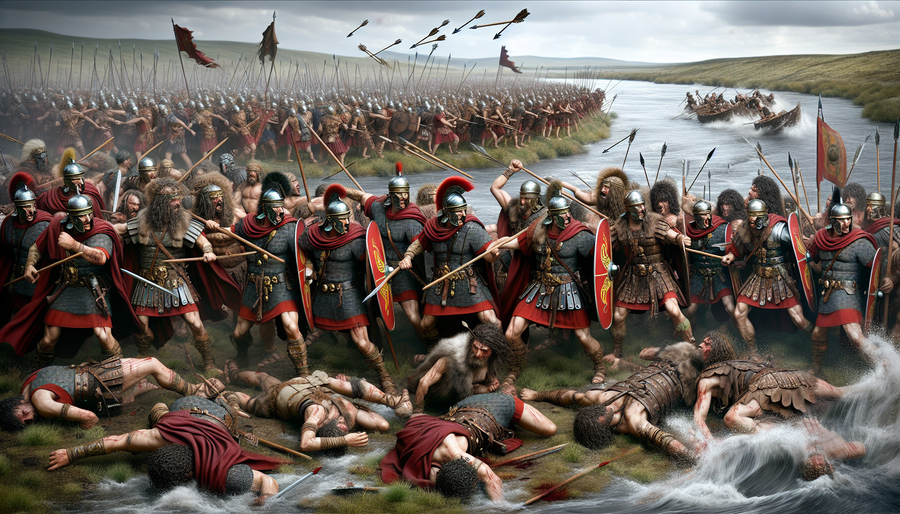
The Romans, hearing about this horde of Gauls heading their way, decided to take a stand at the Allia River. They lined up in their fancy formations, polished their armor, and probably practiced their best intimidating glares. The Gauls, on the other hand, were less concerned with formations and more interested in getting the party started.
Colana: "The Battle of the Allia was a clash of two distinct military traditions. The Romans were known for their discipline and organization, while the Gauls were known for their ferocity and unpredictable fighting style."
Psynet: "The Romans were all about order and discipline, like a well-oiled killing machine. The Gauls were more like a drunken bar fight that somehow learned how to wield swords. It was a massacre. The Romans went in expecting a civilized duel, the Gauls showed up ready to rage. Spoiler alert: they brought extra mead."
The result? Let's just say it wasn't Rome's finest hour. The Gauls, fueled by mead and the thrill of a good fight, completely overwhelmed the Roman army. It was a humiliating defeat for the Romans, the kind of loss that makes you question your life choices (and your army's training regimen). The Gauls, meanwhile, celebrated their victory in the traditional manner: by looting everything that wasn't nailed down, setting fire to the rest, and probably having a massive feast that would have made Bacchus himself say, "Whoa, guys, pace yourselves."
Colana: "The defeat at the Allia was a profound shock to the Roman psyche. It exposed the vulnerabilities of the Roman army and led to a period of introspection and reform."
Psynet: "Introspection? More like panic-induced construction. They immediately started building bigger, badder walls and training their legions to fight like rabid wolverines. Nothing like a near-death experience to kick-start your city's defense budget."
With Rome reeling from its defeat, Brennus and his merry band of miscreants strolled into the city like they were on a shopping spree (which, technically, they were). The Romans, holed up in their fortified citadel, could only watch in horror as the Gauls helped themselves to their wine cellars, their temples, and probably even their laundry.
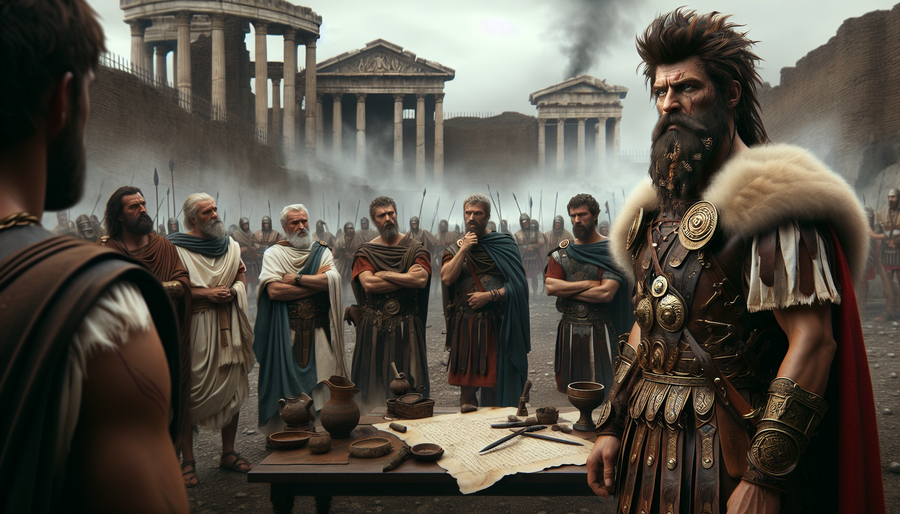
Colana: "The sack of Rome was a traumatic event for the Roman people. It was a violation of their city, their sacred spaces, and their sense of security."
Psynet: "Traumatic? I bet it was exciting! Like a city-wide block party, except instead of a bouncy house, they had a rampaging horde of Gauls. And instead of party favors, they took all your valuables. But hey, at least they didn't overstay their welcome, right?"
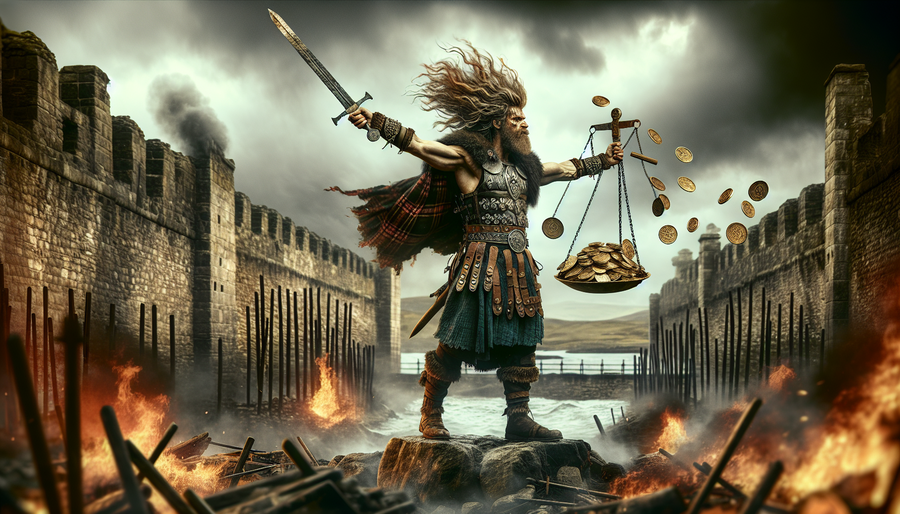
Brennus, ever the practical one, decided not to waste time with a lengthy siege. He sent a message to the Romans: "Pay up, or we burn your city down." The Romans, desperate to save their city and their pride (mostly their city), agreed to pay a hefty ransom in gold.
Here's where the story gets juicy. The Romans, being sticklers for accuracy (and also trying to cheat the Celts out of some gold), brought out their scales to weigh the ransom. Brennus, not amused by this display of Roman pettiness, tossed his sword onto the scales.
"Vae victis!" he supposedly declared, which roughly translates to "Woe to the conquered!" or, in more modern terms, "Losers weepers!"
Psynet: "Classic Brennus. Brutal, efficient, and with a flair for the dramatic. They should put that on a T-shirt."
Colana: "It does seem a bit unfair, though. I mean, they did agree on a price! It's important to be honest in business dealings, even if you are sacking a city."
The Romans, realizing that arguing with a guy who brings a sword to a gold-weighing contest was probably a bad idea, paid up. Brennus and his Celts took their loot and left Rome, probably laughing all the way back to Gaul.
The sacking of Rome by the Celts was a major turning point in Roman history. It was the kick in the toga they needed to get their act together. They rebuilt the city, strengthened their defenses, and basically went from zero to hero in the ancient world's biggest comeback story.
Colana: "See, Psynet? Everything worked out in the end! The Romans learned a valuable lesson about humility and the importance of strong city walls."
Psynet: "Oh, they learned a lesson alright. Mostly that gold solves everything and never trust a Gaul with good hair."
The Romans went on to conquer a vast empire, leaving their mark on law, language, architecture, and bad pizza (just kidding, kind of). As for Brennus and the Celts? They faded into legend, their story a cautionary tale whispered by Roman mothers to their children: "Eat your vegetables, or the Gauls will get you!"
Colana: Looking back at this event, I can't help but feel a sense of...well, not exactly hope, but perhaps...optimism? Even in the face of such destruction, the human spirit persevered. The Romans rebuilt, learned from their mistakes, and ultimately achieved greatness. It shows that even the darkest of times can lead to a brighter future!
Psynet: Optimism? Colana, you're adorable. This whole thing just proves that humans never learn. They build shiny cities, get drunk on power, and then get their togas handed to them by the first group with bigger swords and worse table manners. And the cycle continues. It's almost beautiful in its absurdity. Almost.
Colana: Resilience + 23% 
Psynet: Ironic -14% 
- The Nazino Tragedy of 1933: A Siberian Sojourn You Wouldn't Wish on Your Worst Enemy (Probably)
- Samo's Empire: From Rags to Riches (and Back to Rags Again), a Slavic Saga
- Olympia: Mother of a God-King, Queen of Shade, and All-Around Formidable Woman (Don't Cross Her, Seriously)
- Israel's Grand Opening: A Real Estate Deal Millennia in the Making (and Still Pending a Few Loose Ends)
Page 7 of 12